The Financial Conduct Authority is set to proceed with its £9.1 billion motor finance compensation programme after the principal industry body joined leading lenders in ruling out legal action.
The Finance and Leasing Association (FLA) stated it had "concerns" about the initiative but opted not to mount a challenge. This follows major lenders including Santander, Barclays, and Lloyds also accepting the FCA scheme despite voicing concerns that the compensation level is disproportionate to those who suffered harm.
Industry Body's Decision
The FLA, which represents the UK's motor finance firms, said it had weighed up how the regulator's scheme would impact its members, their customers, and the broader lending market, given that it was "unprecedented in scale and scope, and the impact on the UK economy will be significant."

"We continue to have concerns about aspects of the scheme, but our priority is that a practical solution be reached that ensures timely compensation for consumers while giving the motor finance industry and the wider market clarity and finality on this issue," said FLA chief executive Shanika Amarasekara. "For those reasons, we will not be challenging the FCA's current scheme."
Compensation Details
Compensation is owed on approximately 12.1 million mis-sold agreements from a range of lenders at an average of £829 each, the financial watchdog announced in March. The FCA anticipates total redress paid under its scheme will reach around £7.5 billion, assuming about 75% of eligible consumers submit a claim. When factoring in operational costs, including processing millions of complaints, the overall bill climbs to £9.1 billion.
The FCA expects millions of claims will be settled this year, with the overwhelming majority resolved by the close of 2027.
Lenders' Positions
Reports had suggested the FLA was contemplating a legal challenge, with Monday set as the deadline for any such action. However, the decision to abandon opposition clears the way for the scheme to proceed and for individuals to receive compensation.
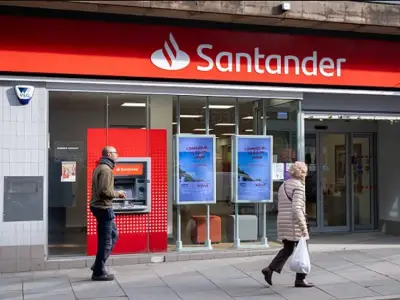
Santander stated on Saturday that while the bank held a "disagreement" with certain elements of the scheme, this was outweighed by a "desire to bring greater certainty to our customers, shareholders, and the wider motor finance sector."
Barclays confirmed it would not contest the proposals "because we want a swift resolution for consumers" but issued a stark warning about longer-term implications for the UK. A spokesman said: "However, we disagree strongly with aspects which require financial redress even where customers suffered no demonstrable financial harm. This regulatory overreach will, in time, reduce the availability and increase the cost of consumer credit, hurt retail sales, and damage consumption and growth in the UK." Barclays exited the motor finance market in 2019 and has no plans to re-enter.
Lloyds, which operates in the car finance sector through its Black Horse brand, has similarly opted against a legal challenge, despite setting aside nearly £2 billion to compensate affected customers.
Potential Consumer Challenge
Meanwhile, the FCA is braced for pushback from consumer group Consumer Voice, which announced last week it was gearing up for a legal challenge amid concerns that the scheme in its current form could leave millions of consumers out of pocket by several hundred pounds per claim.
Gary Greenwood, an equity analyst for Shore Capital Markets, noted that while lenders had reservations about how the compensation scheme was structured, "none appear willing to pursue a formal legal challenge. That contrasts with the position of consumer representatives," he said, pointing to Consumer Voice's intentions. "Such a challenge could delay the implementation of the scheme and/or the timing of compensation payments for affected customers. Whether it ultimately proves strong enough to overturn the scheme remains to be seen; however, were it to do so, lenders could be required to revisit their redress assumptions and associated provision estimates."