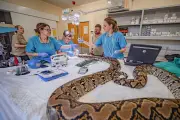
Chester Zoo Snake Gets Human Cancer Treatment in World First
A 20-year-old female boa constrictor at Chester Zoo has become the first snake believed to benefit from a human cancer treatment, receiving radiotherapy for a rare tumour.


A 20-year-old female boa constrictor at Chester Zoo has become the first snake believed to benefit from a human cancer treatment, receiving radiotherapy for a rare tumour.

Hospitals across Greater Manchester, including Stepping Hill, are rolling out an AI tool to analyze prostate MRI scans, prioritizing high-risk patients for faster diagnosis and treatment.

HMRC data shows 12,500+ reclaimed tax after flexible pension access, with £50.3m repaid. Average refund is £4,000. Retirees urged to check.

Cutting sugar before age two could reduce dementia risk by up to 23%, a study of 64,737 people from wartime rationing suggests.

Shared lists with real-time sync. No signup needed — just open and shop together.
Recommended
Birmingham-based DNV Healthcare has renewed its ISQua accreditation, reinforcing its commitment to international healthcare quality standards and patient safety.

Youri Tielemans was ruled out of Belgium's World Cup quarter-final vs Spain moments before kick-off due to a warm-up injury, sparking concern for Aston Villa's midfield ahead of the new season.
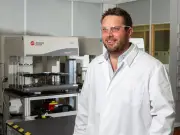
York-based Aptamer Group begins developing a rapid diagnostic test for the Bundibugyo Ebola strain, aiming to improve early detection amid a major outbreak in DRC and Uganda.
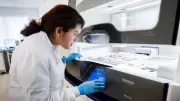
Dr Janin Lautenschläger, whose early Parkinson's research was funded by Addenbrooke's Charitable Trust, has been awarded a prestigious Lister Institute fellowship with £300,000 in flexible funding to expand her work.

Aston Villa will receive up to £6.4m from FIFA after Amadou Onana suffered a serious knee ligament injury while playing for Belgium at the World Cup.
Shared lists with real-time sync. No signup needed — just open and shop together.
Recommended
Aston Villa midfielder Amadou Onana suffered a knee ligament injury during Belgium's World Cup win over the USA, with coach Rudi Garcia confirming a serious injury that will sideline him for an extended period.
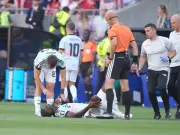
Aston Villa midfielder Amadou Onana has suffered a serious knee injury during Belgium's World Cup win over the United States, leaving him on crutches and likely out of the tournament.
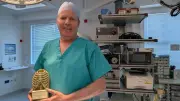
Sheffield surgeon Mr John Edwards received a lifetime achievement award from the Chest Wall Injury Society for pioneering rib fracture repair using titanium plates, transforming trauma care in the UK.

Former Aston Villa goalkeeper Orjan Nyland saved a penalty from Bruno Guimaraes and made four saves to help Norway eliminate Brazil from the World Cup.

Aston Villa goalkeeper Emiliano Martinez chose not to undergo surgery for a finger injury to play for Argentina at the World Cup, despite being advised otherwise.
Shared lists with real-time sync. No signup needed — just open and shop together.
Recommended
Jeremy Clarkson, 66, is officially in remission from aggressive prostate cancer after early detection via a routine PSA blood test, calling himself 'the world's luckiest man.'

Margaret Middleton, 72, joins University of Birmingham research to help bile duct cancer patients suffering severe side-effects from immunotherapy, hoping to leave a legacy for future patients.

A new trial reports preliminary findings on cognitive function in early dementia patients, offering hope for improved treatment and diagnosis.

An AI system that has identified 20,000 cancers receives certification for smartphone deployment, expanding access to early detection technology.

A West Midlands man paralyzed from the chest down is walking again after a groundbreaking treatment using liquid gold nanoparticles, leaving hospital independently.
Shared lists with real-time sync. No signup needed — just open and shop together.
Recommended
The NHS will expand AI analysis for chest X-rays to all trusts by 2029 with £20m funding, aiming to accelerate cancer diagnoses and improve patient outcomes.

New research suggests weight-loss injections like Wegovy and Ozempic could reduce the risk of obesity-related cancers by 41%, but benefits may vary by race.

Bedders, a historic fish and chip shop in Small Heath, Birmingham, may close after 80 years due to soaring costs. Owner Ian Simmonds calls for VAT relief.

Stockport NHS Foundation Trust has successfully implemented a new laboratory information system, enhancing processing of over 9.5 million annual tests for faster diagnosis and treatment.

Edge Hill University has become the newest member of the Northern Health Science Alliance, joining 20 research-intensive institutions to drive health innovation across the North of England.
Shared lists with real-time sync. No signup needed — just open and shop together.
Recommended
A new study highlights a promising approach to identify serious liver disease earlier, potentially improving outcomes for patients through timely intervention.

Dr Craig Spencer, who survived Ebola in 2014, warns the current outbreak in eastern Congo is far bigger than reported, with over 130 deaths and 500 suspected cases.

Delays in blood sample collection may hide the true death toll from synthetic opioids like nitazenes, warns a family after an inquest into a drug user's death.

Edward Jenner administered the first smallpox vaccination in 1796. Also, quiz answers for May 13 including Aries, DPI, Tinkerbell, Fortnum & Mason, and more.

Bristol-based Ensilitech has made a breakthrough in developing a hantaan virus vaccine. The antigen tested successfully on animals, and the company now seeks funding for human trials.
Shared lists with real-time sync. No signup needed — just open and shop together.
Recommended
Venture capitalist Jon Moulton leads £4.3m funding round for Infex Therapeutics, targeting antimicrobial resistance and critical infectious diseases.
