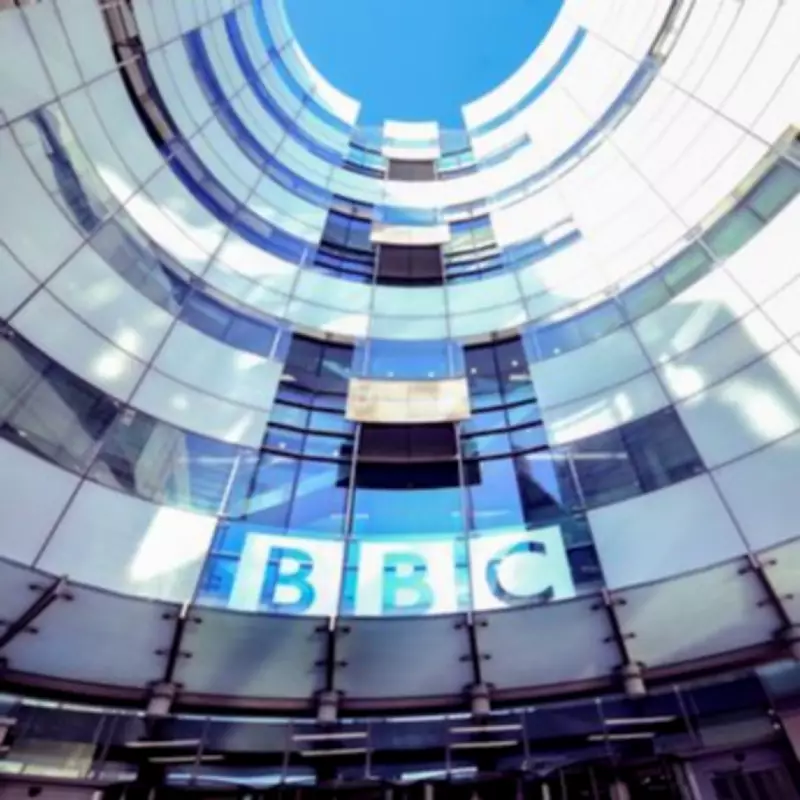
The BBC has brought in debt collectors to help them chase households suspected of not paying the TV licence fee. Evasion rates have soared, leaving the broadcaster with a loss of £550 million each year.
Now, Themis Recoveries has been brought in to help the BBC close the gap on people dodging the licence fee. They will dispatch enforcement letters to homes suspected of avoiding payment. This is part of a temporary contract with the BBC as it evaluates whether the approach delivers value.
Industry Reaction
David Elstein, former BBC producer and ex-chief executive of Channel 5, said: "Until recently, the BBC's attitude towards a surge in explicit licence fee cancellations, and in the failure to renew licences, had been surprisingly complacent." He added: "Non-renewal is categorised as illegal 'evasion', even though many thousands of the new non-payers have simply given up television."

He cited weakening enforcement alongside the switch to streaming services such as Netflix, and a "measurable level of dissatisfaction with BBC output" as the reasons for the reduced figures.
Declining Prosecutions
Prosecutions for non-payment have fallen, with 28,542 cases in the year ending 2024, down from 39,870 the year before.
A TV Licensing spokesman said the BBC works "hard to support people in staying licensed so that they avoid a potential criminal conviction for non-payment of the licence fee." Michael Court, director of Themis Global, said the company "prides itself on its faultless compliance record."