Conservative Leader Addresses Birmingham's Unemployment 'Crisis' During Campaign Visit
Conservative Party leader Kemi Badenoch has described unemployment levels in Birmingham as "absolutely shocking" during a campaign visit to the West Midlands. The Tory leader made the comments while speaking to businesses in Knowle, Solihull, ahead of the May local elections, where all 101 seats at the Labour-run Birmingham City Council will be contested.
Unemployment Figures Reveal Stark Disparities
According to recent council inquiry findings, unemployment stands at 28.4 percent in Perry Barr and 24.9 percent in Ladywood. These figures contrast sharply with the 2.4 percent unemployment rate in Sutton Coldfield and 6.9 percent in Selly Oak. One Labour councillor had previously warned that unemployment had reached "crisis levels" in certain areas of the city.
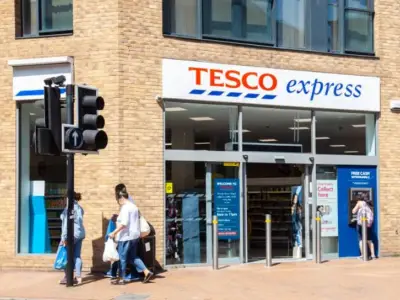
Badenoch argued that tackling unemployment was fundamentally about "public order," directly linking joblessness to increased shoplifting. "There's so much shoplifting, lots of people saying they don't even want to have a business on the high street because people are coming in and stealing things," she told the Local Democracy Reporting Service. "We need to take back our streets."

Conservative Proposals for Job Creation and Public Safety
The Conservative leader outlined several measures her party would implement to address unemployment and support businesses:
- Introducing a Cheap Power Plan for households and businesses to reduce energy costs
- Scrapping the Carbon Tax, which she described as a "blight" on businesses
- Drilling for oil and gas in the North Sea and using revenue to subsidize bills
- Scrapping business rates for retail, hospitality, and leisure sectors above a certain level
- Abolishing stamp duty to stimulate economic activity
"All of those things will help create jobs and make life easier for businesses so they can employ people," Badenoch explained. "If they can't afford to keep going, then they're not going to employ anyone – and that's really important."
Labour Response and Broader Context
Birmingham Council leader John Cotton, a Labour councillor, acknowledged that unemployment continues to plague the city but remained optimistic about future opportunities. "We know we've got problems when it comes to unemployment, too many people still feel locked out of growth in this city," Cotton said earlier this year.
He emphasized focusing on creating pathways to jobs in growth industries such as life sciences, creative industries, and advanced manufacturing. "That's what we've got to fix," Cotton added. "That's why it's so important, having turned around the finances of the council, we're now in a position to work with the Mayor, government, business and communities to break down those barriers."
Pothole Patrol Announcement and Local Comparisons
During her visit, Badenoch also announced the Conservative Party's National Pothole Patrol plan, which would feature a fleet of road-repairing machines. She claimed the initiative would be funded by reallocating £100 million from "pointless government communication" spending.
The Conservative leader drew comparisons between Birmingham and Solihull's approaches to road maintenance. "I was in Solihull today, they are far better at getting their potholes filled than Birmingham is," Badenoch claimed. "[Solihull] Council is fully focused on serving residents and local issues."
Both Birmingham and Solihull recently received 'amber' ratings from the government's new traffic light system that ranks how well local authorities are fixing potholes. The Labour government has stated it has provided councils with a "record multi-year investment" to improve road conditions and move away from short-term repairs toward long-term preventative measures.
The local elections next month will determine which party or coalition runs one of Europe's largest local authorities, with unemployment and public services emerging as key campaign issues.