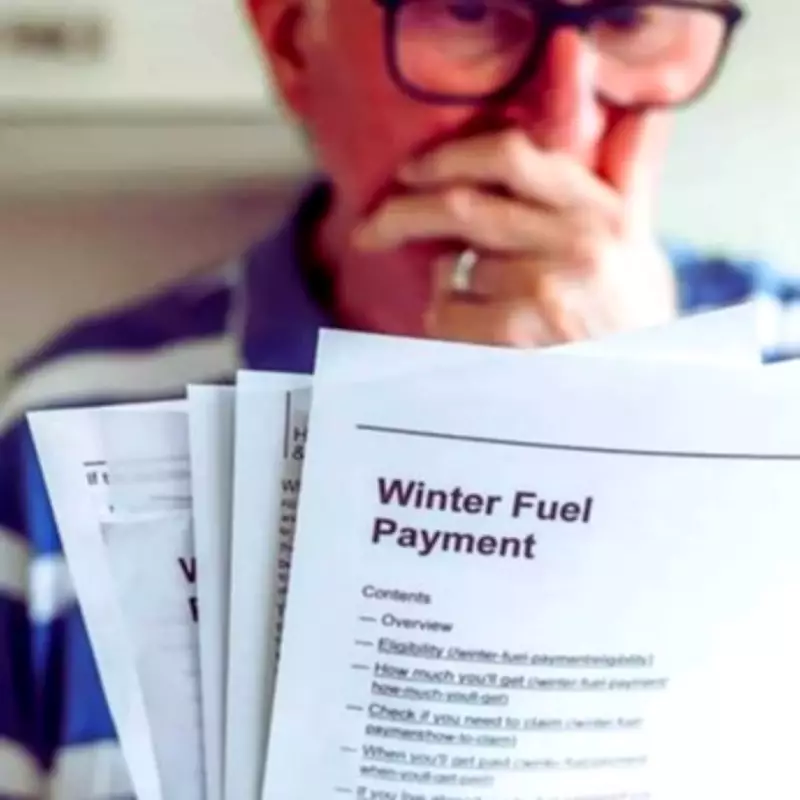
The Department for Work and Pensions (DWP) and HM Revenue and Customs (HMRC) have released updated guidance regarding the repayment of Winter Fuel Payments for 2026. The £200 and £300 payouts are set to return for the upcoming winter season.
Key Updates to Repayment Rules
In a recent update on its website, the DWP stated: "In the 'How HMRC will take back your payment in your tax code' section, we have added information about if you do not need to repay the Winter Fuel Payment. We have also updated the 'Example of how we’ll work out your tax code if you’re a basic rate taxpayer' section to give information about how a K code is calculated."
Example for Basic Rate Taxpayers
The DWP and HMRC provided an example: "Your total income is £37,710, comprising £25,737 from a private pension and £11,973 from your State Pension. In December, you received a £200 Winter Fuel Payment. Your Personal Allowance is £12,570. We will reduce your tax-free amount by £11,973 (your State Pension) or £1,000 (1,000 × 20% = the £200 Winter Fuel Payment you need to repay). This results in total deductions of £12,973. Your Personal Allowance (£12,570) minus total deductions (£12,973) equals a negative allowance of £403. Therefore, your new tax code is K39, meaning you will pay extra tax on £399 of income, amounting to approximately £17 more tax per month."

Example for Higher Rate Taxpayers
For higher rate taxpayers, the guidance states: "Your total income is £65,300, consisting of £53,327 from a private pension and £11,973 from your State Pension. You received a £200 Winter Fuel Payment. Your Personal Allowance is £12,570. We reduce your tax-free amount by £11,973 (State Pension) and £500 (500 × 40% = the £200 repayment). Total deductions are £12,473. Your Personal Allowance (£12,570) minus deductions (£12,473) equals £97 of tax-free allowance, resulting in a tax code of 9L."
Additional Resources
HMRC also offers a calculator to help individuals determine whether they need to repay their Winter Fuel Payment. This tool is promoted in the monthly DWP newsletter.
For more details, visit the official DWP website or consult HMRC's guidance on tax code adjustments.