DWP Strike Action Cancelled After Ballot Turnout Falls Short of Legal Threshold
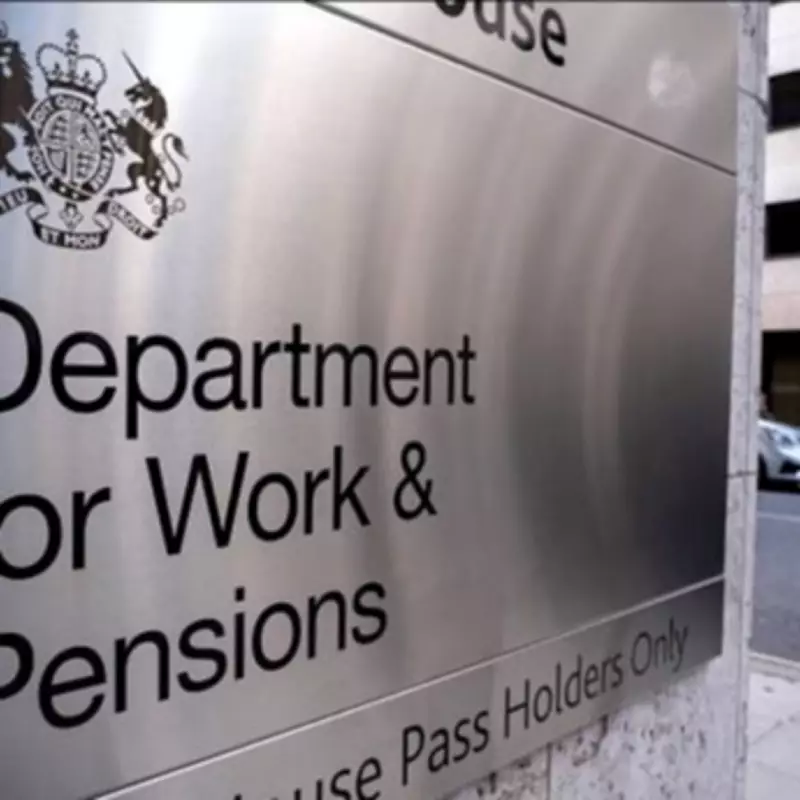
Planned strike action by Department for Work and Pensions workers over pay disputes has been officially called off, marking a significant development in ongoing industrial relations tensions within the government department. The decision comes after a union ballot revealed insufficient participation to meet legal requirements for strike action.
Ballot Results and Legal Thresholds
The Public and Commercial Services Union (PCS) conducted a ballot among DWP staff members, with results showing 85 per cent of voting members supported strike action. However, the critical factor that prevented the strike from proceeding was the overall turnout percentage, which fell below the 50 per cent threshold mandated by anti-trade union legislation.
While the union has not disclosed the exact turnout figure, previous consultative ballots provide context. A similar ballot conducted in October last year achieved a turnout of 52.3 per cent, suggesting the most recent effort failed to reach that benchmark.

Union Representative Voices Concerns
Kate, a branch representative from southeast England, provided insight into the challenges faced during the ballot process. "We found it a real struggle," she told Socialist Worker, referring to efforts to encourage staff participation in the voting process.
She emphasized that the low turnout resulted from multiple factors:
- Perceived lack of clear demands from national union leadership
- Dissatisfaction with inaction on other workplace issues like remote working arrangements
- A general sense that the campaign lacked strategic direction
Impact on Negotiations and Worker Morale
The cancellation of strike action has significant implications for upcoming pay negotiations. Kate expressed concern that union negotiators now enter discussions without the leverage that strike threats provide, describing the situation as going into negotiations "with their hands behind their back."
She contrasted the current situation with the more successful industrial action of 2022-23, when widespread participation and visible picket lines boosted worker confidence. "Last time we went out in 2022-23 everyone was out, there were all these announcements of successful ballots and pickets, it gave people more confidence," she recalled.
Broader Context and Worker Sentiment
The pay dispute has been ongoing for eight months since the current pay award was implemented in July, with fresh negotiations scheduled to begin in the coming months. Kate, who has personal experience with Universal Credit despite working full-time, highlighted the financial pressures facing DWP staff.
"I've been on Universal Credit for decades. I was working full time and have no children—but I'm not paid enough to cover the rent," she explained, illustrating the economic challenges that underpin the pay dispute.
The representative noted that the timing and perceived lack of urgency in the union's approach contributed to voter apathy, with many staff members questioning the point of immediate action when new negotiations are imminent. This sentiment reflects broader concerns about the effectiveness of industrial action in the current climate.