New Legislation Targets Revival of UK Trade Unions
In a significant shift for workers' rights, the UK government is set to introduce a new employment rights bill in April 2026, with full implementation by 2027. This legislation aims to address the steep decline in trade union membership, which has seen less than four per cent of young workers now belonging to a union. Steven Daniels, a lecturer in Politics at Edge Hill University, highlights how this bill could mark a turning point after decades of restrictive laws.
Key Provisions of the Employment Rights Bill
The bill encompasses several major changes designed to empower employees. Notably, it will require employers to share a government-approved message with workers, detailing their right to join a trade union and listing the unions recognised by the employer. This measure is intended to pressure exploitative employers into treating staff better and not discouraging union membership.
Beyond union rights, the legislation promises improvements in areas such as unfair dismissal, bereavement leave, and zero-hour contracts, all shifting in favour of workers. Politically, this allows the Labour Party to reaffirm its historical ties with the trade union movement, which was crucial to its founding in 1900.

Historical Context of Union Decline
Trade unions in the UK reached their peak in the 1970s, contributing to political shifts like the fall of Edward Heath's Conservative government in 1974. However, the "winter of discontent" and subsequent policies under Margaret Thatcher in the late 1970s initiated a period of decline. Thatcher's government introduced laws that reduced union power, including mandatory votes for legal strikes and protections for non-striking workers.
Subsequent Conservative governments continued this trend. John Major's administration in the 1990s gave employers control over union recognition and mandated seven days' notice for strikes. Later, David Cameron's government doubled the strike notice period and required a 50 per cent turnout for ballots. Boris Johnson's government allowed the use of temporary agency workers during strikes, and Rishi Sunak's administration introduced minimum service levels, holding unions liable for non-compliance.
Even under New Labour, hopes for pro-union reforms did not materialise, as Tony Blair and Gordon Brown avoided reversing restrictive legislation to maintain electoral appeal. Policies like the National Minimum Wage Act may have inadvertently weakened collective bargaining.
Impact of Decades of Restriction
The long-term effects of these policies are stark. Union membership has halved from a peak of 13.2 million in 1979 to 6.7 million in 2023, with only 3.7 per cent of members aged 16 to 24 in 2022. Strike action has dwindled, with working days lost dropping from 29.5 million in 1979 to 170,000 in 2015, indicating reduced union efficacy.
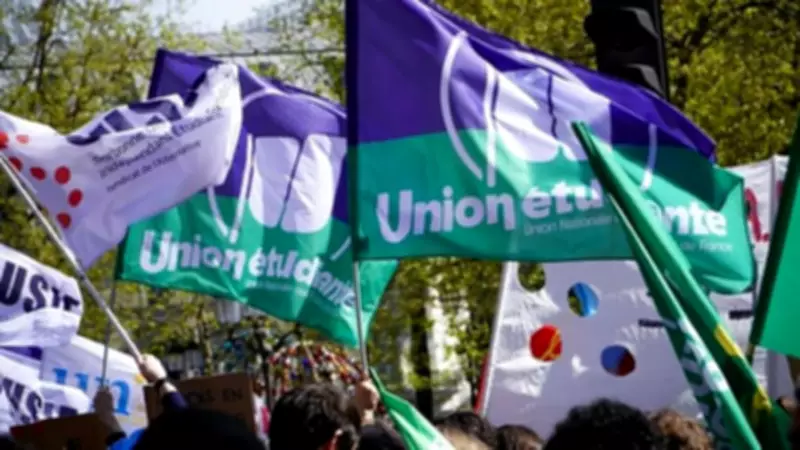
Internationally, the UK lags behind countries like France, where unions wield significant influence despite low membership, and Germany, with its social partnership model that integrates unions into business and politics. South Africa even elected a former trade union leader, Cyril Ramaphosa, as president.
What the New Bill Changes
Labour's new bill seeks to reverse some restrictions by abolishing minimum service levels and the 50 per cent turnout requirement, replacing them with a simple majority. It will reduce the strike notice period to 10 days and simplify rules on union recognition and balloting. While this represents the first pro-union reform in decades, it is not expected to fully restore unions to their 1970s peak overnight.
For workers, this legislation could help reverse trends in wage suppression and exploitation. However, unions view it as a step forward rather than a complete solution to five decades of decline. When enacted, it will stand as the biggest change in favour of trade unions since the Thatcher era, potentially marking the start of a reversal in their long-term marginalisation.