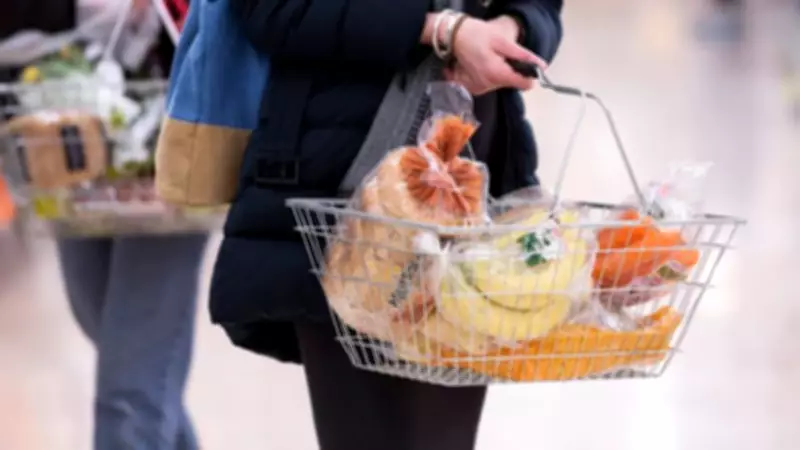
Household staples such as bread, pasta and other everyday groceries are likely to remain more expensive for the foreseeable future, even after global crises ease, according to new analysis. Research by the Energy and Climate Intelligence Unit (ECIU) suggests that food price shocks caused by events such as geopolitical conflict and extreme weather tend to fade only slowly, leaving families facing persistently higher supermarket bills.
The report, based on more than 30 years of UK data, highlights a long-standing trend dubbed the 'rocket and feathers' effect, where prices surge rapidly but fall back only gradually. On average, the ECIU found that food prices drop by just 1% of the original increase after six months, 5% after a year and only 7% after two years. Even when adjusted for wages, only around 35% of the affordability shock had eased after two years, meaning many households continue to feel the financial strain long after the initial crisis.
Analysts point to recent pressures including the Middle East conflict, which has driven up oil, gas and fertiliser costs, alongside the El Niño weather phenomenon. El Niño is linked to disrupted harvests and reduced crop yields globally, threatening the supply of everyday essentials like cocoa, rice, sugar, tea, and coffee.

Data Reflects Shopper Experience
ECIU food and farming analyst Chris Jaccarini said the data reflects what many shoppers are already experiencing. “Shoppers feeling that prices are on a never-ending escalator upwards is borne out by the data,” he said. He added that extreme weather and global instability are increasingly feeding into the cost of producing, transporting and processing food, warning that repeated shocks are becoming more common. “In England, we’ve had three of the worst harvests on record in the past five years. The only way to stop the growing risk of floods and droughts is to reach net zero and bring the climate back into balance. That means cutting our reliance on oil and gas, which would also help shield food prices from the volatile global markets that have helped drive the cost of living crisis. As the data shows, once prices are up, they’re up - prevention is the only cure,” he said.
The situation is moving at a frightening pace, with a previous report by the ECIU suggesting that UK food prices are on track to be 50% higher by November compared to where they sat at the start of the cost of living crisis in 2021. This means the price growth that usually takes 20 years will have been squeezed into just over five, reports PA.
Root Causes Must Be Tackled
Henry Dimbleby, former lead of the government’s National Food Strategy, warned that the brutal reality of food inflation will keep biting unless the UK tackles the root causes. He said: “Our food system is tightly tied to energy, fertiliser and transport costs - and we’ve built too little resilience into supply chains and production. Unless we cut our reliance on fossil fuels, diversify supply chains and build real resilience into food production, higher food prices will become a lasting feature of daily life, with the heaviest burden falling on those least able to bear it.”
The impact is already being felt most acutely by lower-income households. For low-income families with children, a healthy diet now swallows up a staggering 70% of their disposable income after housing costs.
Campaigners Call for Long-Term Strategy
Campaigners are now calling on the Government to step in with a long-term strategy to protect struggling households from future global shocks. Anna Taylor, executive director of the Food Foundation, said: “What’s striking here is the lasting impact of these shocks - once food prices go up, they rarely come properly back down and that means for millions of people in Britain food becomes harder and harder to afford. The UK needs to stop lurching from crisis to crisis and put a long-term plan for food resilience on a statutory footing. A Good Food Bill would help protect families, farmers and food businesses alike by building a more resilient food system.”