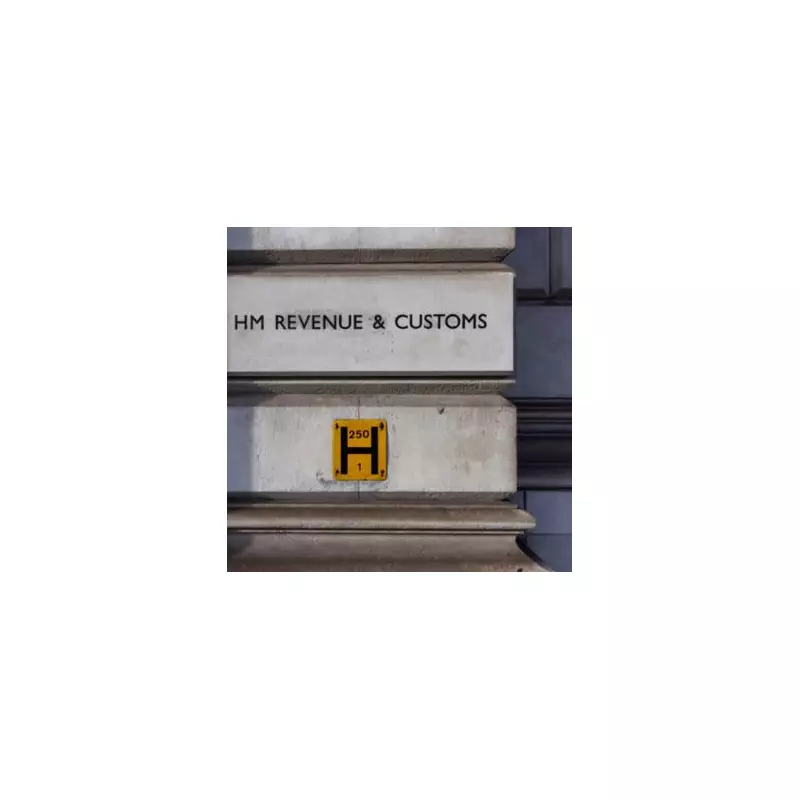
Millions of newly self-employed workers across the UK are facing a significant financial shock this month, as HM Revenue and Customs (HMRC) rules require them to pay 150% of their previous year's tax bill in one go. This system, known as 'payments on account', mandates advance payments towards the next tax year's liability.
How the 'Payments on Account' System Works
The rule requires anyone in self-assessment to file their return and settle any owed tax for the previous year by the 31st January deadline. However, they must also make two advance payments towards their estimated bill for the current tax year. The first, due on 31st January, is for 50% of the estimated bill. Combined with the 100% owed for the past year, this creates the 150% total payment. A second 50% instalment is then due on 31st July.
Sam Dewes, of accountancy firm HW Fisher, explained the impact: “In effect, self-employed workers pay 150pc of the tax due for the previous year in one go. Thereafter the payments smooth out. But this does mean the first year’s tax liability can be very scary.”

Who is Affected and Why It's a Shock
The group most affected are those encountering payments on account for the first time, often individuals who became self-employed during the last tax year. According to reports, this impacts millions of households.
Claire Thackaberry, of the Low Income Tax Reform Group, highlighted the confusion: “They may find that they effectively need to pay 150pc of their tax bill in one go – the whole of the last tax year’s bill and an additional 50pc towards the current year’s estimated tax bill. For many this is surprising and confusing.”
What to Do If You Cannot Pay the Full Amount
Experts stress that there are options for those who cannot manage the lump sum. Taxpayers can apply for a 'time to pay arrangement' with HMRC, which is a formal payment plan. This can help avoid late payment penalties and debt collection action, although interest will still accrue on the outstanding balance.
Furthermore, if you believe your income for the coming year will be lower, you can apply to reduce your payments on account. However, Thackaberry warns: “if their circumstances are likely to change, they need to be careful not to reduce these too much, as HMRC charges interest and, in some cases, penalties, if the reduction has been too much and without good reason.”
An HMRC spokesman defended the system, stating: “Payments on account are not due before the income is earned and have helped customers spread the cost of their tax and avoid arrears for decades. They can also be easily amended if income levels change.”
The key advice for the newly self-employed is to prepare for this substantial January payment, seek professional advice if needed, and engage with HMRC early if payment difficulties arise.