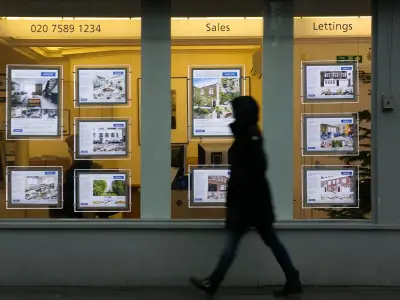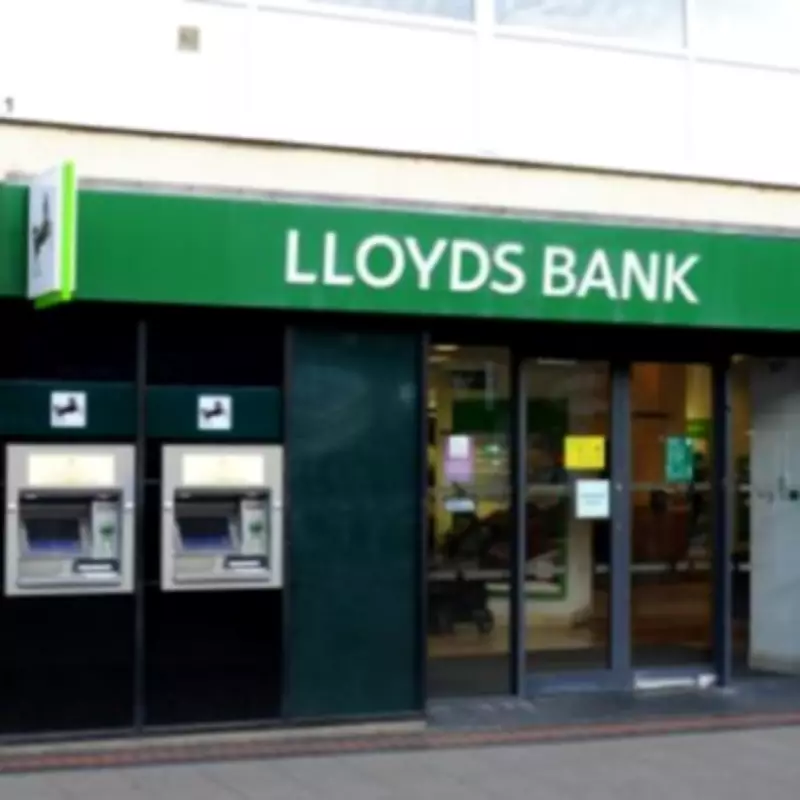
Lloyds Banking Group has confirmed a significant restructuring of its physical network, with plans to close 40 branches across the United Kingdom in 2026. This move follows a broader trend in the banking sector, as financial institutions adapt to changing consumer behaviours that favour digital solutions over traditional in-person services.
Driving Forces Behind the Closures
The decision, as explained by the banking group, is primarily driven by a marked shift in customer preferences. An increasing number of clients are now opting to manage their finances through mobile applications and online platforms, reducing the reliance on brick-and-mortar branches. This digital transition has been accelerating in recent years, prompting banks to reassess their physical footprint.
Continuation of a Broader Trend
These planned closures are not an isolated event but part of a wider pattern within the UK banking industry. In 2025 alone, a staggering 432 bank branches were permanently shut across the country, highlighting the rapid pace of change. The 2026 closures for Lloyds, which includes its Halifax subsidiary, represent a continued strategic pivot towards more cost-effective and digitally-focused service delivery models.

Alternative Banking Options for Customers
Lloyds Banking Group has emphasised that customers will continue to have access to a wide range of alternative banking services. The group has outlined several options to ensure that clients, particularly those in areas affected by closures, can still conduct their financial transactions conveniently.
Post Office and Banking Hubs: Customers can utilise over 11,000 Post Office branches nationwide for everyday banking needs. Additionally, shared Banking Hubs, which serve customers from multiple banks, provide another viable alternative for in-person services.
Extended Access Points: The banking group has highlighted the availability of PayPoint stores for cash deposits, many of which operate seven days a week with extended hours. This network offers greater flexibility for customers who require out-of-hours banking services.
Enhanced ATM Services: Lloyds has committed to maintaining cash machines outside most of its remaining branches. Furthermore, the installation of Talking ATMs is underway to improve accessibility for visually impaired customers, ensuring that basic banking functions remain available even as branches close.
Community Support Initiatives
Recognising that some customers may face challenges with reduced physical access, Lloyds has introduced Community Bankers. These professionals provide dedicated banking services and account support specifically for customers who no longer have a branch in close proximity to their homes.
Specific Closure Details
The closure programme will affect branches across England and Wales, with some locations having already ceased operations. Notably, 14 Halifax branches are specifically earmarked for closure in 2026 as part of this wider initiative.
The full list of Lloyds Bank branches scheduled for closure in 2026 includes:
- Alfreton
- Ammanford
- Bideford
- Birmingham, Harborne
- Brigg
- Camborne
- Caterham
- Chepstow
- Chester-le-Street
- Deal
- Fleet
- Gillingham
- Glossop
- Gorseinon
- Havant
- Hedge End
- Hedon
- Houghton le Spring
- Hucknall
- Ivybridge
- Lewes
- Liverpool Breck Road
- Manchester Moston
- Mitcham
- New Addington
- Okehampton
- Penzance
- Peterlee Yoden Way
- Petersfield
- Ryde
- Seaton
- Sleaford
- Stamford
- Stoke-on-Trent
- Swadlincote
- Thornbury Avon
- Totnes
- Totton
- Tunstall
- Wymondham
Lloyds has stated that while branch closures are sometimes necessary, the bank remains committed to explaining the reasons behind these decisions and providing customers with comprehensive guidance on alternative banking methods. The group encourages customers to check branch locations and opening hours before visiting and to explore the various digital and physical alternatives now available.