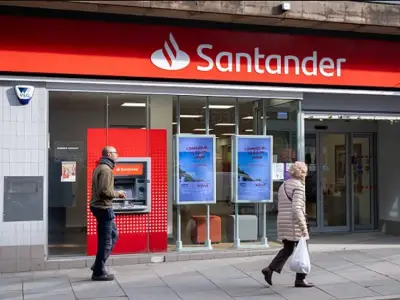
Three of the UK's most prominent high street banking names are set to close dozens of branches next year, marking a significant shift in how customers manage their money. Lloyds Bank, Halifax, and Bank of Scotland will collectively shut 71 local branches throughout 2026, citing a dramatic move towards digital banking.
The Shift to Digital Banking
The closures, affecting 40 Lloyds branches, 14 Halifax locations, and 17 Bank of Scotland sites, are a direct response to changing customer habits. A spokesperson for Lloyds Banking Group, which owns all three brands, explained that the way people bank has transformed irreversibly. The group now has over 21 million customers who prefer to use mobile apps for their everyday financial needs.
"We’re providing more choice than ever before, bringing together the best in digital convenience with our people," the spokesperson said. They emphasised that despite the branch closures, customers still have extensive access to in-person services. Account holders can use any remaining Lloyds, Halifax, or Bank of Scotland branch, the Post Office network, or local banking hubs. For cash deposits, customers can visit more than 30,000 PayPoint locations nationwide.

Full List of Branch Closures in 2026
The closures are spread across the calendar year, with some sites shutting as early as January. Birmingham is among the locations affected, with branches in Harborne and Bearwood scheduled for closure.
Lloyds Bank Closures
The 40 Lloyds branches scheduled for closure include: Alfreton (1 Jan 2026), Ammanford (12 Jan 2026), Bideford (13 Jan 2026), Birmingham Harborne (8 Oct 2026), Brigg (5 Mar 2026), Camborne (7 Oct 2026), Caterham (3 Mar 2026), Chepstow (7 Oct 2026), Chester-le-Street (14 Jan 2026), Deal (10 Oct 2026), Fleet (13 Jan 2026), Gillingham, Dorset (8 Jan 2026), Glossop (9 Mar 2026), Gorseinon (10 Oct 2026), Havant (1 Jan 2026), Hedge End (21 Jan 2026), Hedon (28 Jan 2026), Houghton le Spring (10 Mar 2026), Hucknall (4 Mar 2026), Ivybridge (14 Jan 2026), Lewes (19 Jan 2026), Liverpool Breck Road (4 Mar 2026), Manchester Moston (11 Mar 2026), Mitcham (8 Jan 2026), New Addington (1 Jan 2026), Okehampton (25 Mar 2026), Penzance (21 Jan 2026), Peterlee Yoden Way (3 Mar 2026), Petersfield (21 Jan 2026), Ryde (7 Oct 2026), Seaton (11 Mar 2026), Sleaford (13 Mar 2026), Stamford (13 Oct 2026), Stoke-on-Trent (30 Oct 2026), Swadlincote (20 Jan 2026), Thornbury Avon (2 Feb 2026), Totnes (8 Jan 2026), Totton (12 Oct 2026), Tunstall (9 Mar 2026), and Wymondham (13 Mar 2026).
Halifax Bank Closures
The 14 Halifax branches closing are: Birmingham Bearwood (2 Mar 2026), Buxton Spring Gardens (13 Oct 2026), Camborne (7 Oct 2026), Deal (22 Jan 2026), Hastings (22 Jan 2026), Havant (1 Jan 2026), Horsforth (2 Feb 2026), Middleton (8 Jan 2026), Nelson (4 Mar 2026), Peterlee (3 Mar 2026), Seaford (1 Jan 2026), Skipton (26 Jan 2026), Wandsworth, London (15 Jan 2026), and Yeovil (12 Jan 2026).
Bank of Scotland Closures
The 17 Bank of Scotland sites set to close are: Alexandria (3 Mar 2026), Annan (2 Mar 2026), Bellshill (12 Jan 2026), Bishopbriggs (4 Mar 2026), Castle Douglas (22 Jan 2026), Dingwall (25 Mar 2026), Erskine (13 Jan 2026), Gairloch (29 Jan 2026), Glasgow (12 Jan 2026), Grangemouth (18 Oct 2026), Hawick (7 Oct 2026), Helensburgh (5 Mar 2026), Largs (25 Mar 2026), Larkhall (8 Jan 2026), Nairn (20 Jan 2026), St Andrews (20 Jan 2026), and Tain (12 Jan 2026).
Implications for Local Communities
This wave of closures continues a long-term trend of banks retreating from the high street, raising concerns about access to banking services, particularly for elderly or vulnerable customers and small businesses that rely on cash. While the banking group highlights alternative options like the Post Office, campaigners often argue that these are not perfect substitutes for a dedicated, full-service branch. The closures will leave some communities without a physical bank, placing greater emphasis on digital literacy and access to reliable internet connectivity for basic financial tasks.