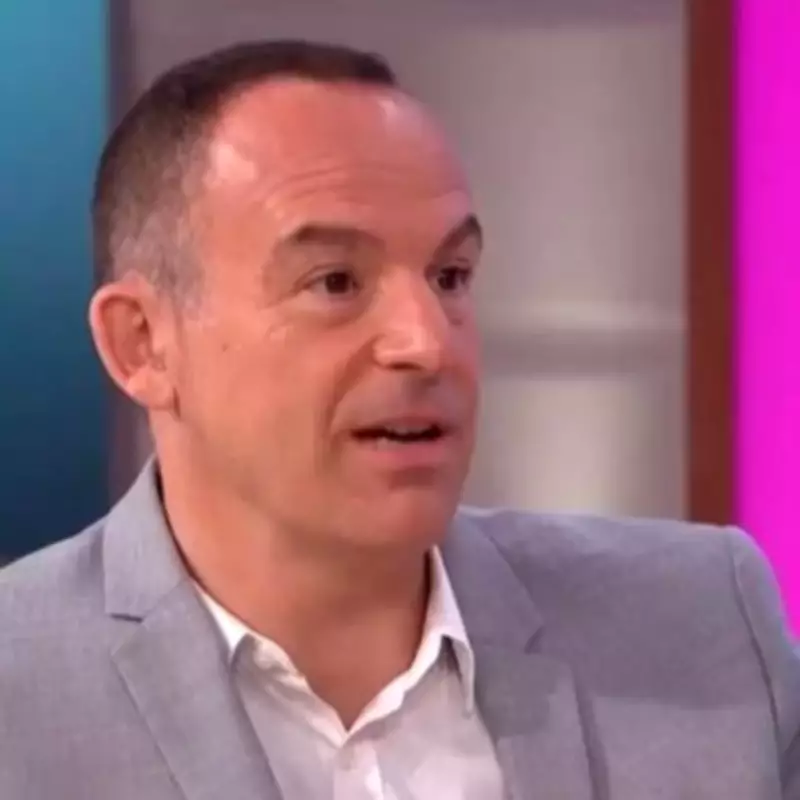
Financial expert Martin Lewis has issued urgent advice to British taxpayers who missed the crucial Self Assessment deadline on January 31, offering practical steps to mitigate penalties and interest charges.
Immediate Action Required
In a recent update, HMRC has confirmed that anyone who missed the January 31 deadline should file their return as soon as possible to avoid accumulating further penalties. The tax authority advises searching for 'Self Assessment' on the official GOV.UK website for comprehensive guidance and submission portals.
Penalty Structure Explained
Those who failed to submit their tax return by the deadline now face an immediate £100 penalty. This financial penalty escalates significantly over time, increasing by £10 per day after three months have passed. At the six and twelve month marks, the penalty increases by a further 5% of the tax due or £300, whichever amount proves greater.

Martin Lewis's Practical Guidance
The founder of MoneySavingExpert.com has provided specific advice for those struggling with their submissions. Martin Lewis emphasised that even submitting a "rough guess" of what you owe could help avoid the penalty structure. He explained this approach during a social media update, stating that paying an estimated amount would reduce the interest charged on late payments.
Understanding Interest Charges
Lewis highlighted that beyond the fixed penalties, there's a substantial 7.75% interest charge on any unpaid tax. This makes timely payment particularly crucial, even if the exact calculation proves challenging. The financial expert stressed that approximately 5.6 million people who needed to file returns hadn't done so as the deadline approached.
Who Needs to Complete Self Assessment?
Martin Lewis clarified several categories of individuals who must complete Self Assessment returns. The primary group includes anyone HMRC has specifically instructed to file a return, regardless of personal circumstances. He noted that higher rate taxpayers (40%) and additional rate taxpayers (45%), along with those with complex tax affairs, typically fall into this category.
Self-Employment Threshold
Another significant group comprises self-employed individuals who earned over £1,000 during the tax year from April 6, 2024, to April 5, 2025. Lewis reminded taxpayers that this timeframe represents the current assessment period, and earnings within these dates determine filing requirements.
The financial expert concluded by urging immediate action from anyone who recognises themselves in these categories, emphasising that prompt attention to tax obligations can prevent substantial financial penalties and interest accumulation.