Financial experts are urging UK savers to take immediate action to shield their nest eggs from a significant upcoming change to tax-free savings rules. A major reduction in the cash ISA allowance is set to take effect, potentially exposing thousands to unexpected tax bills.
The Looming ISA Shake-Up
Matthew Jenkin, a representative from the consumer champion Which?, has highlighted a critical shift on the horizon for Individual Savings Accounts (ISAs). Currently, savers can shelter up to £20,000 per year from tax within an ISA. However, from 2027, the landscape will change dramatically for those under 65.
The amount that can be held in a cash ISA will be slashed to £12,000. To utilise the full £20,000 annual allowance, the remaining £8,000 will need to be invested in a stocks and shares ISA. This move forces savers to consider higher-risk investment options to maintain their tax-free benefits fully.

Understanding Your Personal Savings Allowance
Alongside ISA changes, understanding the Personal Savings Allowance (PSA) is crucial to avoid unnecessary tax. Money-saving expert Martin Lewis has repeatedly emphasised its importance. The PSA is the amount of interest you can earn from standard savings accounts each year before tax is due.
The current thresholds are:
- Basic-rate taxpayers (20%): Can earn up to £1,000 in interest tax-free.
- Higher-rate taxpayers (40%): Have a reduced allowance of £500.
- Additional-rate taxpayers (45%): Receive no personal savings allowance.
With leading easy-access accounts offering around 5% interest, a basic-rate taxpayer would only need roughly £20,000 in savings to hit their £1,000 PSA limit. For a higher-rate taxpayer, just £10,000 could generate enough interest to become taxable.
The Double Whammy of Fiscal Drag
The pressure on savers is intensifying due to the government's prolonged freeze on income tax thresholds. Chancellor Rachel Reeves extended this freeze for an additional three years in the November 2025 Budget.
Key thresholds like the £12,570 Personal Allowance and the £50,270 higher-rate threshold are now frozen until 2031. This phenomenon, known as 'fiscal drag', pulls more people into higher tax bands as their wages rise with inflation, simultaneously eroding the value of their fixed PSA.
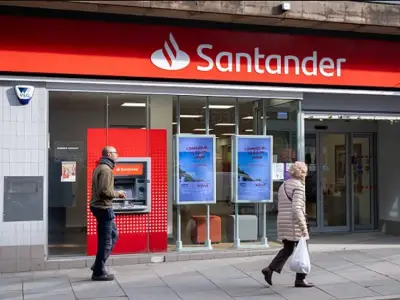
Matthew Jenkin warns that one of the costliest mistakes savers make is limiting their search to familiar high-street banks. While these names feel safe, their rates are often uncompetitive. Data from Moneyfacts reveals that the largest rate gaps are found in instant-access accounts.
For example, a £10,000 deposit in an average high-street account paying 1.15% would earn just £115 in annual interest. The same amount in a top-tier account from a smaller digital provider offering 4.48% would yield £448—a difference of over £300 per year.
Jenkin advises savers to always check if a provider is covered by the Financial Services Compensation Scheme (FSCS), which protects deposits up to £120,000 if the institution fails. While challenger banks are subject to the same regulations, not all automatically have FSCS protection.
In summary, savers face a dual challenge: a future reduction in tax-free cash ISA space and the present risk of breaching their Personal Savings Allowance due to rising interest rates and frozen tax bands. Proactive management, including considering lesser-known providers and understanding the upcoming ISA rule change, is essential to protect hard-earned savings from unnecessary taxation.