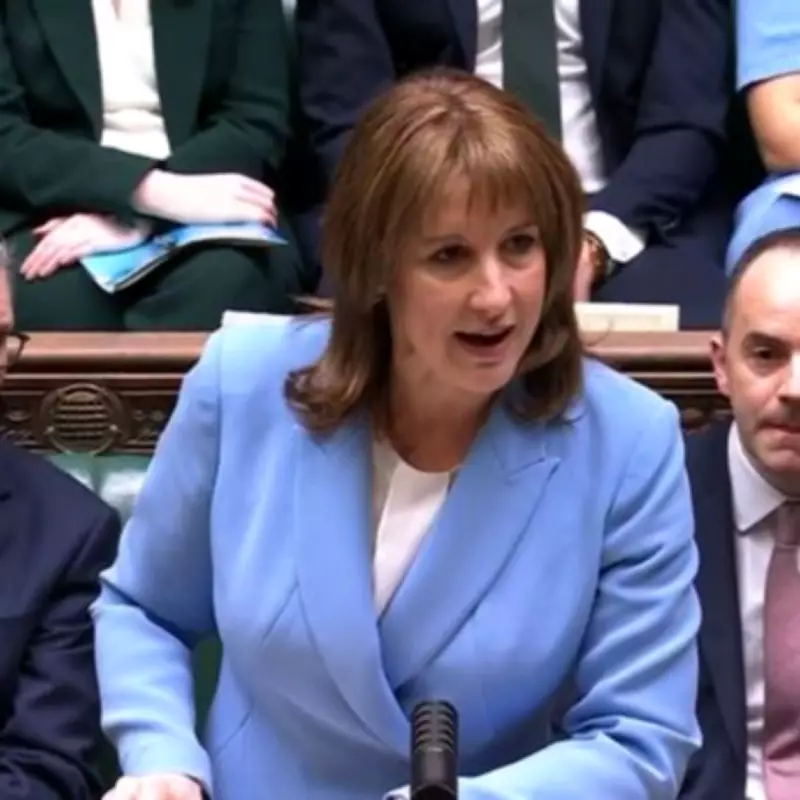
Rachel Reeves Announces £575 State Pension Increase with Selective Eligibility
Chancellor Rachel Reeves has officially confirmed the latest state pension amounts for the 2026/27 financial year, set to take effect from the first full week of April. This announcement brings significant news for retirees, with some pensioners poised to receive an annual boost of up to £575. However, the increase will not apply uniformly across all over-65s, leading to a complex landscape of pension entitlements.
Dual Pension System Creates Disparities in Increases
The UK operates two distinct state pension systems: the full state pension, introduced a decade ago for new retirees, and the older basic state pension, which remains in place for the majority of pensioners who retired before 2016. From April, the full state pension will rise to £12,547 per year, while the older version will increase to £9,614 annually. This substantial gap of nearly £3,000 highlights the differential treatment between pension cohorts, though older recipients may not necessarily be worse off due to potential top-up payments.
The triple lock policy governs these increases, ensuring the state pension rises each year by the highest of three metrics: inflation, wage growth, or 2.5%. This mechanism aims to protect pensioners from economic fluctuations, but it also perpetuates the divide between the two pension types. Despite complaints about fairness, the system continues to phase out the older pension gradually as more retirees transition to the newer, simplified version.

Eligibility Criteria Determine Who Receives the Full Boost
Not all over-65s will benefit from the £575 annual increase. Eligibility hinges on two key factors: age and the specific version of the state pension received. Retirees on the full state pension, typically those who retired after 2016, will see the maximum boost, while those on the older basic pension may receive smaller increments. This selective approach has sparked discussions about equity in pension distribution, especially as separate top-up payments for older pensioners are often criticized for being inconsistent and unfair.
The announcement underscores the ongoing evolution of the UK's pension framework, with the older system being incrementally replaced. As each year passes, more new retirees move onto the updated pension, reducing the number of recipients on the basic version. This transition aims to streamline pension administration but leaves many current pensioners navigating a patchwork of entitlements.