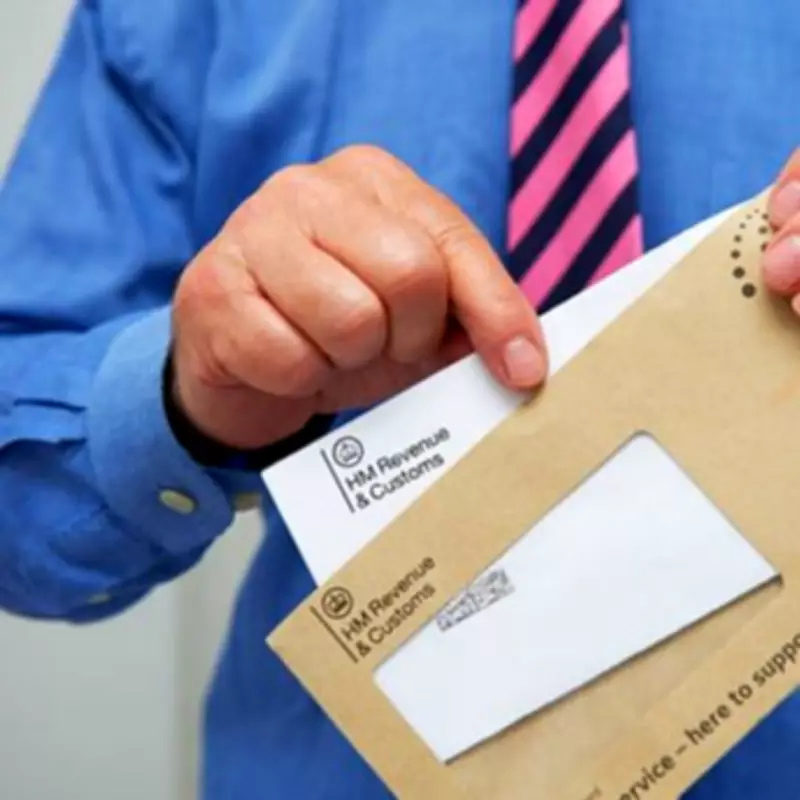
State Pensioners Can Increase Tax-Free Personal Allowance to £18,570
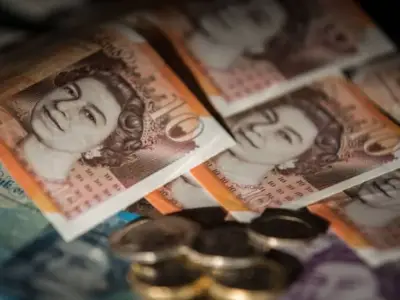
State pensioners have the opportunity to significantly enhance their tax-free personal allowance, raising it to £18,570 through a specific HMRC regulation. This financial strategy, often referred to as the "savers boost," has been highlighted by Hargreaves Lansdown as one of the most effective tools available for retirees or individuals with lower earnings.
Understanding the Tax-Free Allowance Structure
The standard personal allowance permits the first £12,570 of income to be entirely free from tax. Beyond this threshold, the starting rate for savings provides an additional allowance of up to £5,000 for tax-free interest earned from savings accounts. To be eligible for at least a portion of this allowance, individuals can have non-savings income of up to £17,570.
However, for every £1 earned over the £12,570 mark in non-savings income, there is a reduction of £1 from the starting rate for savings allowance. For example, someone earning exactly £12,570 would retain the full £5,000 allowance, while an individual earning £14,570 would see their allowance decrease to £3,000.

Maximising Tax-Free Earnings
On top of this, individuals benefit from a personal savings allowance of £1,000, which can be combined with the other allowances. According to personal finance experts, this combination enables some people to achieve a total of £18,570 in tax-free income, providing a substantial financial advantage for those on fixed or limited incomes.
Taxation of State Pensions
The state pension is subject to income tax, as governments have historically viewed it and similar earnings-replacement benefits as taxable income. It is distributed by the Department for Work and Pensions without any tax deductions at the source. To ensure accurate taxation on total income, which includes both private or occupational pensions and the state pension, the state pension amount is considered when tax is deducted under the PAYE system by pension providers.
In practice, pensioners whose sole income is the state pension typically do not pay any income tax. This is because their annual income generally falls below the personal tax allowance threshold, allowing them to receive their income tax-free.
Recent Policy Changes and Implications
In the 2025 Budget, the Labour Party government announced that the personal allowance would remain frozen at its current level until April 2031. Additionally, it was declared that pensioners relying solely on the basic or new state pension would not be required to pay minor tax amounts via simple assessment from the 2027/28 tax year, even if the state pension exceeds the personal allowance from that point forward.
This policy adjustment aims to simplify tax obligations for retirees, ensuring they are not burdened with small tax payments on their essential income. By leveraging the HMRC rule and understanding these allowances, state pensioners can effectively maximise their tax-free earnings, securing greater financial stability in retirement.