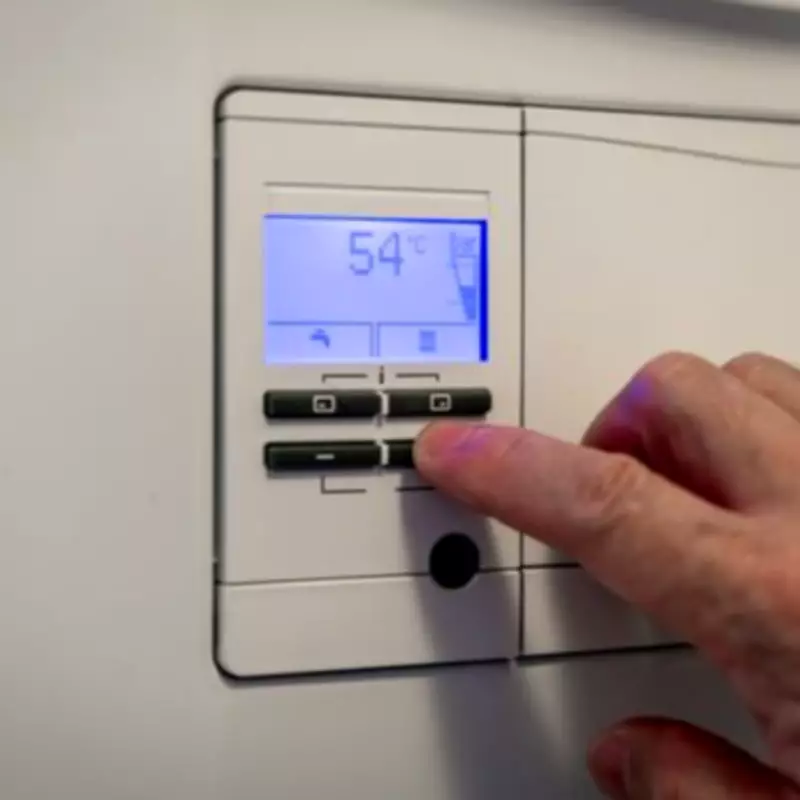
UK households have been warned that turning off their heating in May could prove even more expensive than leaving it on occasionally. As the sun finally appears, many are considering when to switch off their heating for the summer, but experts advise caution.
Why you should keep your boiler active
Patrick Garner, a Gas Safe Engineer at Heatable, explains that a long summer shutdown can lead to costly breakdowns in autumn. Boilers do not respond well to extended periods of inactivity.
"People assume no use means no problems," he said. "But, in many cases, it's the lack of movement within the boiler that causes issues."

Three major risks of a summer shutdown
- Pump seizure: The pump is a common failure point. If it sits still for too long, it can become stiff or seize up, especially in older systems, leading to no circulation and no heating when needed.
- Sticking valves: Valves control water flow but can stick after a long idle period, preventing heat from reaching radiators or the hot water system.
- Dried seals: Rubber seals can dry out or harden over time, causing leaks when the heating is turned back on after a significant break.
Garner warns that these issues are not always obvious immediately. "You might not notice anything until the first cold morning, then suddenly the heating won't come on, or you've got a leak," he added.
Cost implications
The cost of ignoring your boiler all summer can quickly add up. "What starts as a small issue could turn into a repair bill in the hundreds. In worst cases, you could be looking at major component failure or even replacement," Garner said.
Systems with existing sludge build-up, ageing parts, or minor faults are particularly vulnerable if left unused.
What to do instead
Experts recommend running your heating for 10 to 15 minutes every few weeks during summer. This keeps water moving, prevents components from sticking, and helps your boiler stay healthy.
If you use hot water regularly, especially with a combi boiler, this activity can help keep things ticking over. For systems with a hot water cylinder, sensible hot water use can prevent complete dormancy.
However, you should not leave the heating running constantly "just in case," as that wastes energy and increases bills unnecessarily.
"A little bit of use goes a long way," Garner added. "You just need to stop it from sitting completely still."