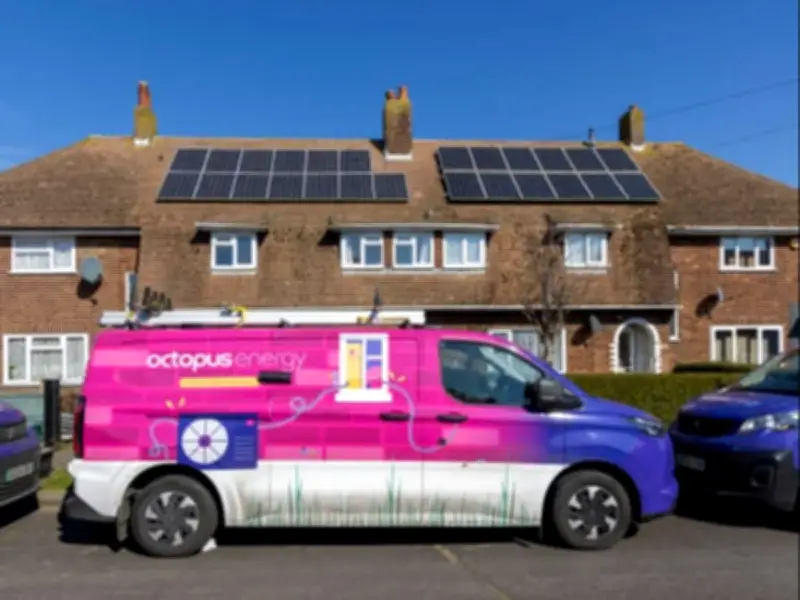
Octopus Energy has issued a "bonkers" warning to customers after it emerged the country has spent a staggering £1 billion this year turning off wind farms and switching on gas plants instead. Data by the Wasted Wind tracker shows Britain reached this milestone last Saturday. The wasted wind bill is rising fast under the current electricity market design, which the system operator (NESO) recommended replacing years ago, with costs more than doubling in just two years.
Why Wind Power Is Being Wasted
The problem comes because Britain’s electricity grid often cannot move all the power from where it is being generated to where it is needed, meaning wind farms in Scotland are regularly paid to turn off while expensive gas plants close to demand centres in the south are fired up instead. The system operator predicts these so-called constraint costs to soar to £3.2 billion over the next 12 months, while the government warns costs could reach up to £10 billion by 2030.
The most expensive day so far this year was on 2nd July, when £21 million was paid out to wind and gas generators in constraint payments in a single day. One way to reduce these costs would be to move to a devolved electricity market that better reflects where power is being generated and where it is needed.
Potential Savings for Households
Analysis by FTI shows that such a system would dramatically reduce system inefficiency and lower bills for every home and business in the country, with a typical household saving up to £114 a year. Greg Jackson, Founder and CEO of Octopus Energy, said: “The way Britain’s electricity system is run is bonkers – you wouldn’t grow tomatoes in your garden, only to bin them and buy expensive, imported ones from the shop.
“So why are we doing the same thing with electricity? We should use this wind to give people cheap power locally, instead of paying billions to throw it away. That’d be a welcome relief for families and businesses – it’s low hanging fruit that should absolutely appeal to a government which is focused on cost of living and devolution.”
Government and Industry Response
The warnings come as the government continues to face pressure over rising energy costs. With the current system, consumers are effectively paying for wasted wind power through higher bills. The proposed devolved market would align pricing with local generation and demand, potentially reducing the need for costly constraint payments.
As the country moves towards net-zero targets, the inefficiency of the current grid is becoming a pressing issue. The £1 billion spent this year highlights the urgency of reform, with experts and industry leaders calling for swift action to modernise the electricity market.