The leader of Britain's fish and chip shop industry has issued a stark warning: the nation's iconic traditional chippies could be gone within five years.
A Nation's Favourite Under Threat
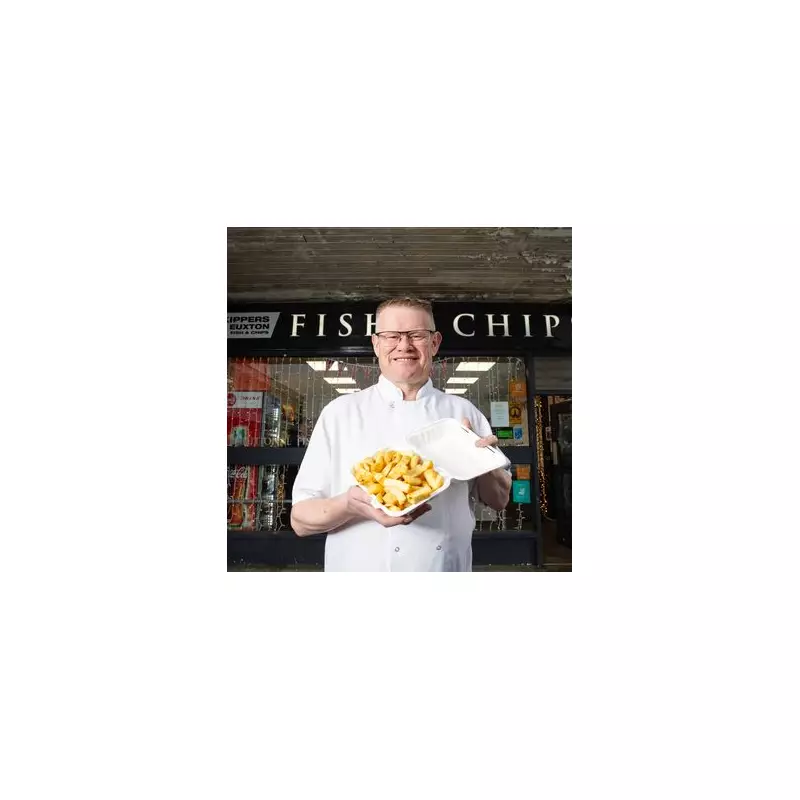
Andrew Crook, the 50-year-old president of the National Federation of Fish Friers, has stated that the classic, dedicated fish and chip shop is becoming an endangered species. He points to a perfect storm of lower customer numbers and spiralling operational costs, forcing many business owners to diversify their menus radically to stay afloat.
Crook, who has run his own shop, Skippers of Euxton, since 2007, believes he is now one of a tiny minority of proprietors across the country who still sell only the traditional British dish. The vast majority have had to introduce items like fried chicken, pizzas, and burgers to keep their takeaways running.
From 35,000 to a Niche Future
The historical context highlights the scale of the decline. Today, there are approximately 11,000 fish and chip shops operating in the UK. This figure represents a dramatic fall from the industry's peak in the 1920s, when there were around 35,000 such establishments.
"We are seeing it at an increased rate," Andrew Crook explained. "Businesses who I never thought would add the likes of burgers or loaded chips to their menus are doing so." He draws a parallel with the fate of traditional butchers, who faced similar pressures from supermarkets. Only those offering top-tier quality and service survived the shift.
Adaptation is Key to Survival
Looking ahead, Crook predicts a more specialised future for the sector. "I think fish and chip shops will become more niche over the next five years," he stated. However, he remains cautiously optimistic about the institution's resilience, emphasising its deep cultural roots.
"As such a part of the culture it is important fish and chip shops adapt," he added. "We have been around for over 160 years and I am sure we will be around for a lot longer." The challenge, it seems, is not the end of the fish supper, but the transformation of the shops that serve it as they fight to remain economically viable in a changing market.