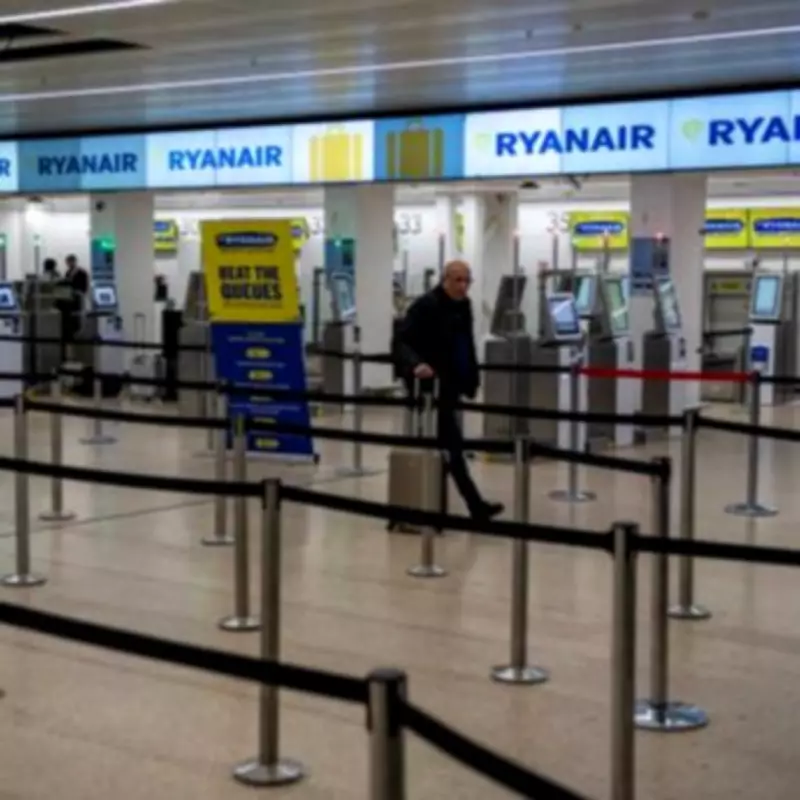
Ryanair has issued a jet fuel update for passengers with flights booked after June, as CEO Michael O'Leary spoke out about potential shortages and the risk to summer holidays.
O'Leary's Warning
In an update on Wednesday, April 29, O'Leary, chief of the low-cost Irish carrier, stated: "If pricing stays higher for longer this summer, we think a number of our airline competitors in Europe are going to face real financial difficulties." He added, "I think there will be failures. If it continues at $150 a barrel into July, August, September, then you'll see European airlines fail and that, in the medium term, would probably be good for Ryanair's business."
Industry Concerns
O'Leary was speaking to CNN. Ryanair, a popular choice for British holidaymakers, operates flights from Birmingham (BHX). Willie Walsh, head of the International Air Transport Association, told Reuters on Tuesday that airlines could face shortages if the conflict does not end soon. "There is a risk that we'll see rationing of fuel supply, particularly in Asia and Europe," Walsh said.
Ryanair's Position
O'Leary emphasized Ryanair's preparedness: "We are the best insulated, most hedged airline in Europe. We can guarantee people there'll be no price increases, no fuel hedging, no fuel surge levy surcharges, regardless of what happens to summer supply." The update comes as the Strait of Hormuz remains closed.
Competitors and Impact
Ryanair's rivals include Jet2, TUI, Wizz Air, British Airways, Easyjet, and Lufthansa. Darren Jones, chief secretary to the Labour Party prime minister, said on Sunday that Brits could see higher flight prices for up to eight months due to the Iran war. FTSE 100-listed IAG, owner of British Airways, has announced it will hike prices to "reflect higher fuel costs."
Analyst Insights
Gerald Khoo, an analyst at Panmure Liberum, noted that airlines have been "reluctant" to cut flight capacity so far. He said: "We suspect that many airlines are hoping for a quick and clear resolution to the Iran crisis. They certainly do not want to be short of capacity if the source of the headwinds to demand, fuel costs and fuel supply suddenly disappear."