Foreign Office Updates Travel Warnings for Cyprus, Turkey, and Maldives Amid Ongoing Conflict
The Foreign, Commonwealth & Development Office (FCDO) has issued updated travel advice for British holidaymakers, urging them to review plans for popular destinations including Cyprus, Turkey, and the Maldives. This revision comes in response to the ongoing Middle East war, which has caused significant international unrest and travel disruptions.
Widespread Travel Disruptions and Evacuations
Airspace closures, flight cancellations, and heightened risks for travellers have been reported across affected regions. The government has been arranging charter flights to safely evacuate UK nationals from areas such as Oman and the United Arab Emirates. According to the FCDO, even countries not directly involved in the conflict are experiencing travel disruptions, making it crucial for holidaymakers to stay informed.
Countries with Complete Travel Bans
The FCDO advises against all travel to several countries due to active conflict, terrorism, or instability. These include:
- Afghanistan: Complete avoidance of travel is recommended.
- Iran: British nationals are urged to reconsider their presence due to serious risks.
- Iraq: All travel to Federal Iraq and the Kurdistan Region is considered unsafe.
- Israel and Palestine: Travel is fully restricted.
- Syria: Travel is strongly discouraged.
- Yemen: All travel is advised against.
Partial Travel Restrictions in Key Regions
Some destinations are only considered safe for essential travel, often due to border tensions, conflict zones, or security risks. Notable areas include:
- Middle East: Bahrain, Kuwait, Qatar, Oman, Saudi Arabia, Jordan, and the United Arab Emirates (including Dubai) have restrictions, with advice varying from essential travel only to sheltering in place.
- North Africa: Egypt has specific no-go zones, such as North Sinai and the Egypt-Libya border.
- South and Central Asia: Pakistan advises avoiding areas near Afghanistan and other high-risk regions.
- Caucasus: Armenia, Azerbaijan, and Georgia have border area restrictions.
- Lebanon: Certain areas of Beirut and southern suburbs are off-limits.
Popular Holiday Destinations: Exercise Caution
For popular holiday spots, the FCDO recommends exercising caution:
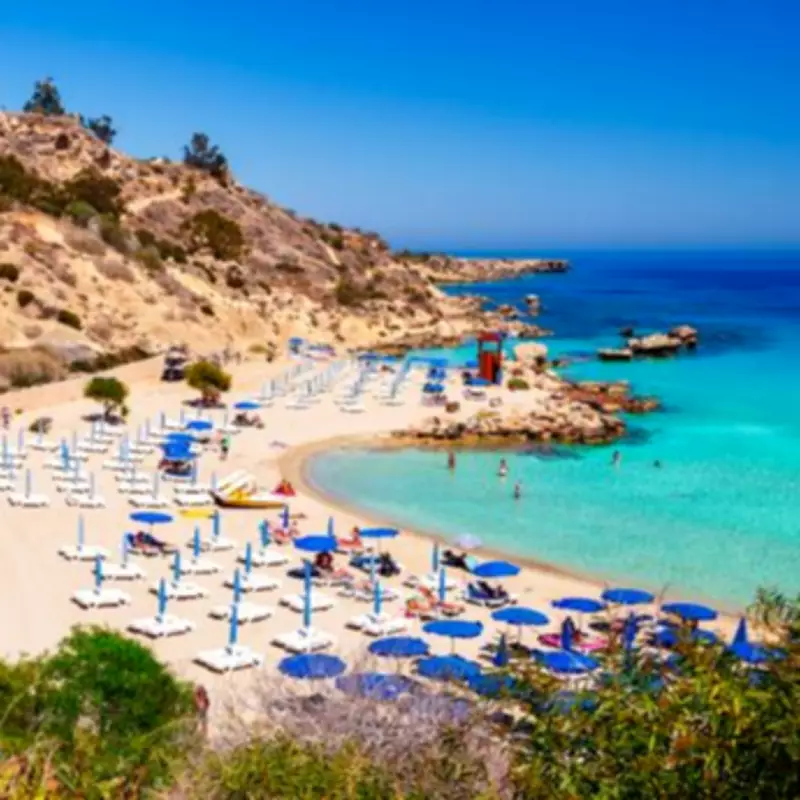
- Cyprus: Travel is still possible, but terrorist attacks cannot be ruled out, including in areas frequented by foreign nationals.
- Turkey: Travel near the Syria border is strongly discouraged.
- Maldives: Widespread travel disruption due to airspace closures; visitors should check with airlines, monitor news, and review insurance coverage.
- Sri Lanka: Flights are disrupted due to Middle East escalation; travellers should verify schedules and insurance.
Government Response and International Tensions
The UK government is actively working to ensure the safety of British citizens. Foreign Secretary David Lammy has suggested that RAF jets could legally strike Iranian missile sites if used to attack British interests. Prime Minister Sir Keir Starmer has emphasized efforts to keep citizens safe, with government-provided flights helping people return home.
International tensions remain high, with speculation over the war's impact on the global economy. Following the death of Iran's supreme leader, his son Mojtaba Khamenei was named successor, a move likely to draw criticism from US President Donald Trump. Discussions between Sir Keir and Trump have focused on military cooperation, amid disagreements over UK involvement in defensive operations.
No decisions have been made regarding the deployment of the HMS Prince of Wales aircraft carrier to the Middle East. Foreign Secretary Yvette Cooper has defended the UK's independent policy stance, stressing the importance of making decisions based on national interests.