The launch of the UK Government's Critical Minerals Strategy has been hailed as a major step towards creating high-quality jobs and strengthening British manufacturing, according to a leading mining executive.
Cornish Lithium Leads Domestic Production Charge
Jamie Airnes, chief executive of Cornish Lithium, has warmly welcomed Prime Minister Sir Keir Starmer's proposals to reduce Britain's dependence on China and enhance domestic supply chains. The strategy includes a substantial £50 million fund specifically designed to boost production at tungsten and lithium mines in Cornwall.
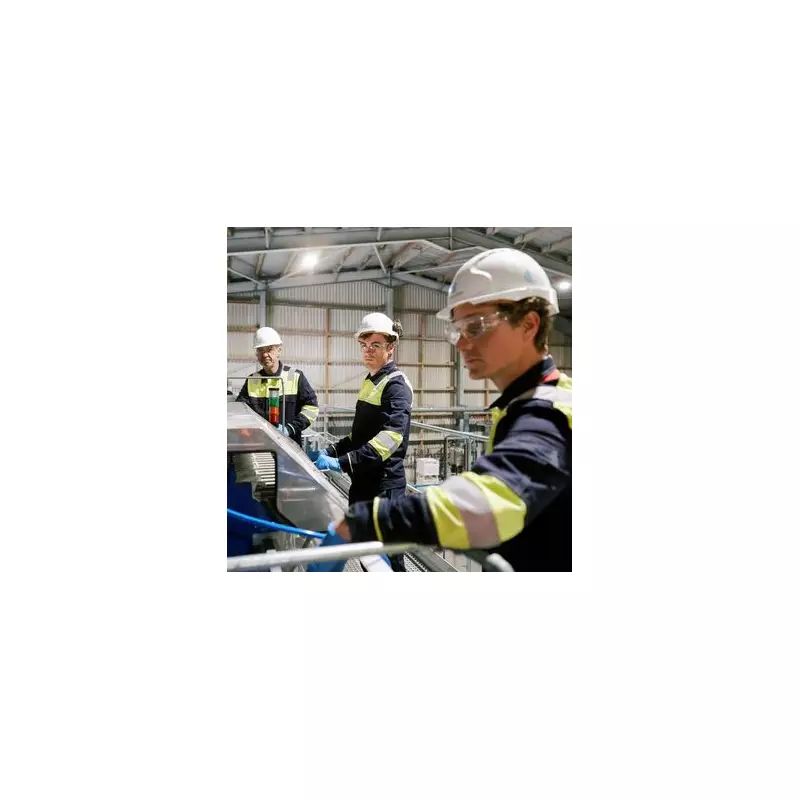
In a significant milestone for British industry, Cornish Lithium became the first company in the UK to produce lithium hydroxide monohydrate (LHM) in October. This refined material is a crucial component in batteries for electric vehicles. The company has successfully repurposed a former china clay quarry, establishing refined LHM production at its single brownfield industrial site - the Trelavour Demonstration Plant near St Austell.
Strategic Framework for National Security
Mr Airnes stated: "We welcome the publication of the UK Government's Critical Minerals Strategy that provides a clear strategic framework within which industrial scale UK critical minerals production can become a reality." He emphasised that "the strategy highlights the need to accelerate domestic capability, unlock investment, and build strategic partnerships – all of which are essential to delivering lithium production at scale."
The critical minerals initiative sets an ambitious target to produce 10% of the UK's mineral needs domestically and achieve 20% through recycling by 2035. This approach aims to protect the UK from shortages during global disruptions such as natural disasters or conflicts, following recent supply chain vulnerabilities highlighted by a six-week standoff between the European Union and China over chip supplies.
Soaring Demand and Economic Benefits
Government projections reveal dramatic increases in demand for essential minerals. The need for copper – used in household electric plugs and car brakes – is expected to nearly double by 2035. Even more strikingly, demand for lithium – vital for powering laptops and electric vehicles – is forecast to increase by 1,100%.
Prime Minister Sir Keir Starmer commented: "For too long, Britain has been dependent on a handful of overseas suppliers, leaving our economy and national security exposed to global shocks. That is why we are taking decisive action to change that, boosting domestic production, ramping up recycling, and backing British businesses with the investment they need to compete on the international stage and drive down the cost of living for people at home."
The strategy represents a comprehensive approach to securing Britain's industrial future while creating sustainable employment opportunities in regions like Cornwall, where mining heritage meets modern technological demands.