Government Unveils Ambitious Steel Strategy to Safeguard UK Industry
The UK Government has announced a comprehensive new strategy designed to protect and strengthen the domestic steel industry. This move follows recent government interventions to take control of key production facilities in Scunthorpe and Rotherham, which were facing imminent closure due to global market pressures.
Ambitious Domestic Production Targets
Central to the strategy is a significant increase in domestic production targets. Ministers have set an ambitious goal for up to 50% of all steel used in the UK to be manufactured within the country. This represents a substantial increase from the previous target of 30% and will be supported by reductions in steel import quotas as part of new trade measures.
Business and Trade Secretary Peter Kyle emphasized the importance of this initiative, stating: "Making steel in the UK is vital for national security, critical infrastructure and the wider economy. Steel-making is a cornerstone of our modern industrial policy that deliberately focuses support for key industries, technologies, and strategically important sectors."

Financial Support and Technological Transition
The National Wealth Fund will serve as the primary mechanism for providing up to £2.5 billion in financing for steel sector investment during this Parliament. This substantial financial commitment aims to ensure the long-term viability of UK steel production in the face of global overcapacity challenges.
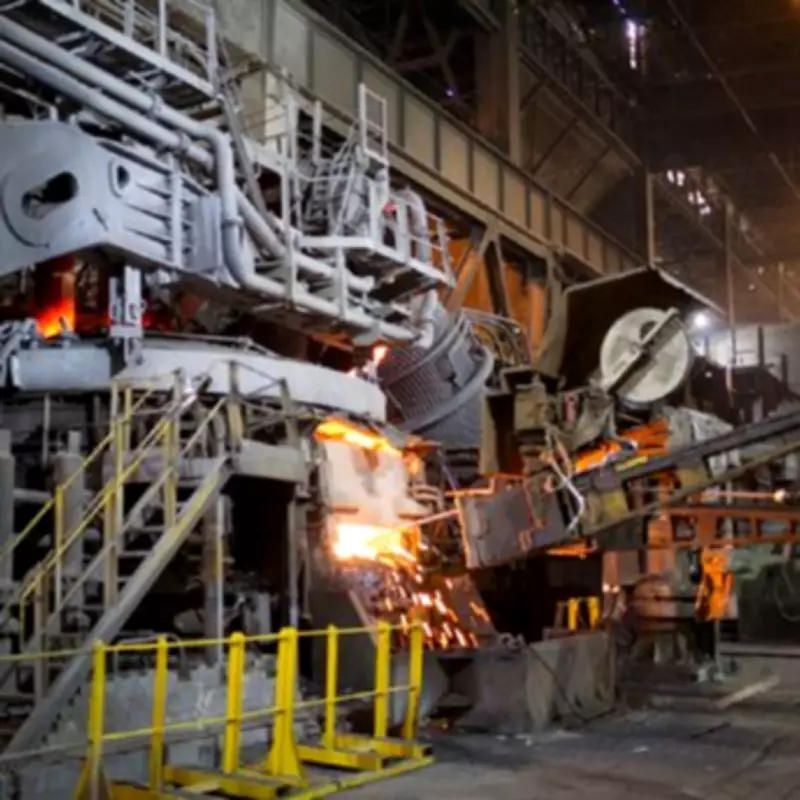
The strategy confirms electric arc furnaces (EAF) as the future of British steelmaking, marking a continued shift from traditional blast furnaces to cleaner production methods. This transition to EAF-based production using recycled scrap supports the UK's net zero ambitions, though it has already led to job losses at facilities including Port Talbot.
Recent Government Interventions
The government's action comes after it took control of the British Steel plant in Scunthorpe and the Liberty Steel facility in Rotherham last year when both operations were pushed close to closure by global market challenges. A recent National Audit Office report praised the speed of government intervention in Scunthorpe while cautioning about potential costs reaching £1.5 billion for the rescue operation.
Industry and Political Reactions
The steel strategy has received mixed but generally positive responses from industry representatives and political figures. Community union general secretary Roy Rickhuss and UK Steel director general Gareth Stace have welcomed the plan, while GMB national secretary Charlotte Brumpton-Childs expressed cautious optimism, noting that "the devil will be in the detail" regarding ownership of Scunthorpe and future technology decisions.
Rotherham MP Sarah Champion praised the government's approach: "The Labour Government has done more for steel in just two years than has been achieved in decades. Their commitment to our steel industry, including stepping in to protect steel assets facing closure in Rotherham, has come as a breath of fresh air."
Welsh Secretary Jo Stevens highlighted the importance for Welsh steelmaking: "The UK Government is standing up for Welsh steelmaking and showing that we will do whatever it takes to boost domestic steel production and protect the thousands of steelmaking jobs in our communities. Welsh steel is expected to account for half of future UK steelmaking."
The strategy represents a significant policy shift, with Secretary Kyle declaring: "With this strategy we are closing the decades-long chapter of destructive de-industrialisation and committing instead to strengthening and sustaining Britain as a steel-making nation." The full strategy will be outlined in Parliament this afternoon.