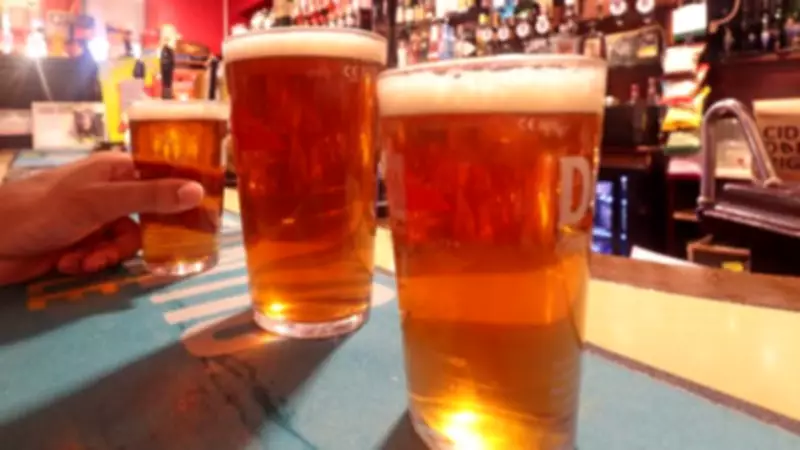
Beer enthusiasts are discovering that several iconic brands have quietly reduced their alcohol content. This trend, often termed 'drinkflation,' sees companies lowering the strength of popular pints to reduce tax payments to the government. Campaigners argue that large breweries are not passing these savings on to consumers and are calling for government intervention.
New Tax System Sparks Change
Since August 1, 2023, a new alcohol duty system has been in place. Under these rules, beers with 3.4% Alcohol By Volume (ABV) or lower are taxed at a cheaper rate. By reducing a draught pint from 4% to 3.4%, a brewery can save 25p. For supermarket cans, the saving is around 6p per 440ml can, according to David Dubas-Fisher.
Household Names Affected
Brands such as Fosters, Carlsberg, and Coors have all moved to this lower threshold since 2024. In some cases, like Amstel, the weaker recipe is only available in shops, while the pub version remains unchanged.
Campaign group CAMRA believes the current system allows global giants to dominate the market at the expense of taste. They urge the government to help smaller, independent breweries compete fairly. Tim Webb from CAMRA stated: "Beer tax in the UK is absurdly high, and we support the principle that a lower ABV should mean a lower tax rate. Global brewing giants, however, have diluted their recipes to hit the lower tax band, without reducing prices, and sometimes hiking them. This is something that independent brewers simply can’t afford to do or won’t do because it will compromise quality."
He added: "Giant brewing corporations can get away with this because the UK allows them to control too much of the beer market, excluding smaller independent brewers that produce most of the UK’s more interesting beers. We know that choices the Government has made on business rates and taxes are pushing up prices for consumers. The Government must use their Access to Market Review to significantly reform the stranglehold global giants have over the beer and pub trade so that independent brewers are allowed fairer access to pubs and can spark some real competition and consumer choice."
Heineken's Response
Heineken UK, which manages brands like John Smith’s and Sol, argues it is responding to consumer trends. A spokesperson said: "Across our portfolio, we regularly review our beers to ensure we’re meeting changing consumer preferences and offering choice across a range of strengths. In the case of brands such as Foster’s, the move to a slightly lower ABV reflects the continued shift towards moderation, while still delivering the great taste consumers expect. The change also supports our long-term responsibility agenda by reducing alcohol units in line with the UK Government’s differential duty rates that encourage innovation at lower ABV, and enables us to offer more competitive pricing, where possible, as inflationary pressures continue to affect the wider market."
Customer Backlash
Despite corporate explanations, many consumers are unhappy with the 'watered down' flavours. Online reviews for major supermarkets show growing frustration. One unhappy customer noted: "Was 4.1 for a while now just 3.4% and isn’t very nice anymore." Another shared: "Used to be ok but tastes horrible now." A third added: "The new beer is lacking in taste and substance - doesn't even pour a frothy head - just tastes like watered down Fosters. Never again!"
The controversy highlights a broader debate about tax policy, corporate responsibility, and consumer choice in the UK beer market.