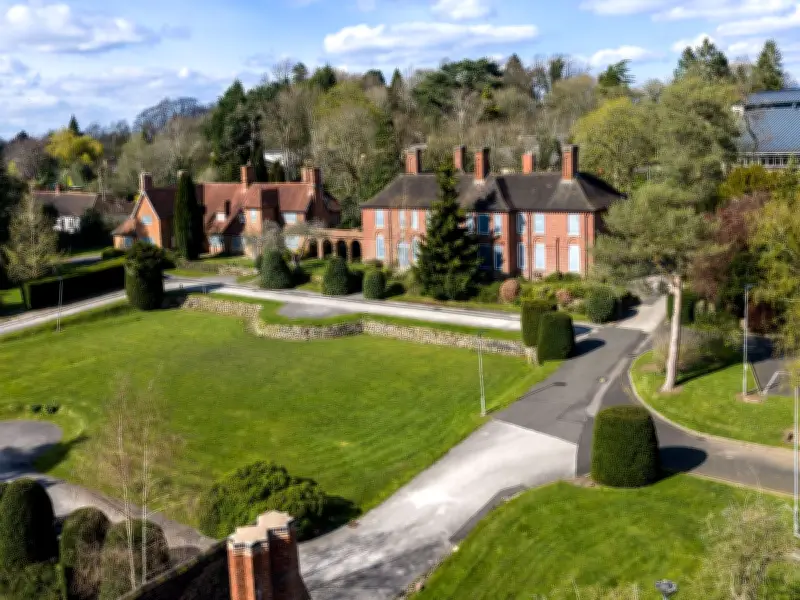
The University of Birmingham is moving forward with plans to sell a portion of its Selly Oak campus, potentially paving the way for new housing and other developments. The site, located about one mile from the main Edgbaston campus, has been owned by the university since 2001 and includes several vacant heritage houses and buildings.
Sale Details and Purpose
Last year, the university announced its intention to sell two sections of the Selly Oak campus. Now, CBRE, a commercial real estate firm, has confirmed it has been appointed to market the land, describing it as a “prime redevelopment site.” The sale is expected to fund expansion and development at the Edgbaston campus, supporting the university’s goal to rank among the world’s top 50 institutions.
CBRE stated that the sale will play a key role in the university’s 2045 Campus Vision, a long-term plan for improvements over the next two decades. These enhancements include “enhanced sustainability, an improved student experience and capacity for future growth.”
Vision for Edgbaston Campus
Under the 2045 vision, the main Edgbaston campus will become “more connected, with new and improved social spaces, facilities and student residences that meet the diverse needs of our student, staff, and alumni communities.” The university also aims to create a “vibrant social location” and better showcase its sports and cultural offerings for visitors and neighbours.
The vision will allow the university to “advance our research, enhance our education, strengthen our residential offer and accommodate growth.”
Opportunity for Developers
CBRE noted that the 8.9-acre freehold site offers a “rare opportunity” in a desirable part of the city. The property is being marketed as a prime redevelopment site, with potential for new build development alongside the retention of existing listed and heritage buildings within a green, parkland environment.
Jack Jones, associate director at CBRE, said the land could be ideal for various purposes, from housing to a care facility. “Selly Oak campus represents a compelling opportunity for developers to deliver a high-quality scheme in a well-established and well-connected part of Birmingham,” he said. “The heritage buildings add character and are a selling point to the right buyer.” He added that Birmingham continues to attract significant investment, and opportunities of this scale and quality are limited.
University's Commitment
Steve Jordan, director of estates at the University of Birmingham, said: “We are proudly rooted in the city of Birmingham and in the local communities that we’ve been a part of for the last 125 years. Recognising and appreciating the heritage status of the site, we will work closely with CBRE to find the right expertise and investment for the area. We look forward to seeing how the site will be restored and given new purpose.”