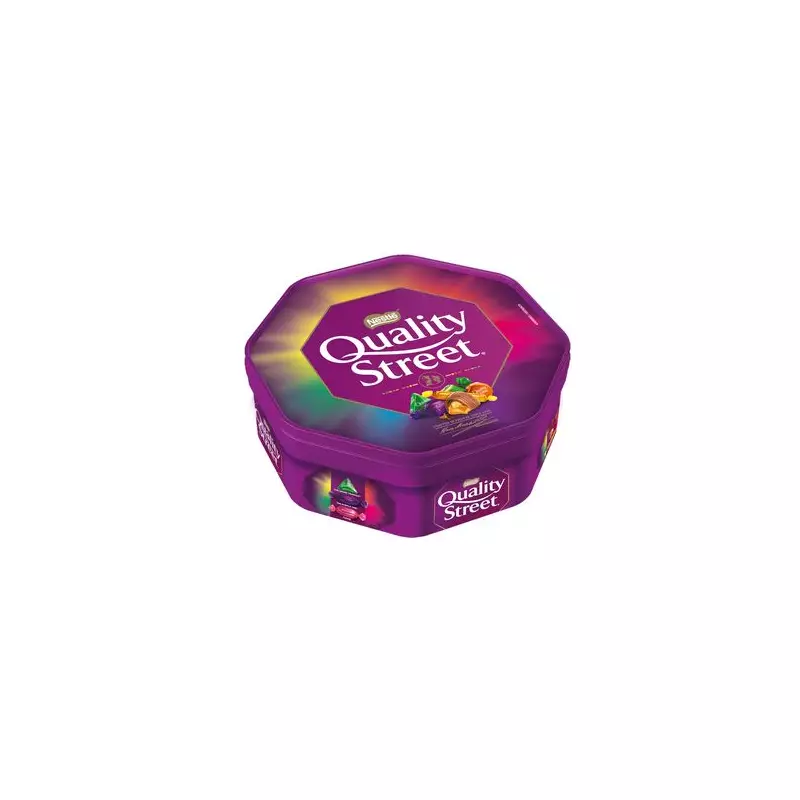
For many in the UK, the festive season is synonymous with the colourful wrappers and familiar flavours of a Quality Street tub. But have you ever wondered how the iconic mix is decided, or what fate befalls a less popular sweet? A brand manager for the Nestlé-owned line has pulled back the curtain on the meticulous, and often contentious, process.
The Delicate Art of Pleasing Everyone
According to Emily Grimley, a Quality Street Brand Manager at Nestlé, the composition of the famous tubs is a constant balancing act driven entirely by consumer demand. The company conducts extensive research, speaking to countless chocolate lovers to gauge their preferences. The goal is to create a mix that caters to all tastes, categorising sweets into toffees, creams, and chocolate-based treats.
"We're trying to please everyone," Emily explained in a past interview. Certain sweets are considered untouchable due to their heritage: The Purple One, the Green Triangle, the Caramel Swirl, and the Toffee Finger have been in the mix from the very start and are guaranteed their place. The remaining slots are filled from a "bucket" of other varieties to create what the brand hopes is the perfect assortment, though Emily admits "there's a lot of debate on what the perfect mix is."

Why Axing a Sweet Causes 'Outrage'
Removing a sweet from the Quality Street lineup is not a decision taken lightly. The company actively avoids it because such moves consistently cause consumer 'outrage'. People are deeply passionate about their favourites and resist change to the nostalgic selection.
When a removal does happen, it is solely based on consumer research. The aim is to optimise the overall mix for a better experience. A prime example was the Toffee Deluxe. It was first removed in 2016, briefly resurrected after public petition, and then axed for good in 2019. The decision stemmed from data showing a stronger preference for chocolate sweets, leading to a rebalancing towards more chocolate and fewer toffees.
Despite this, Emily notes that toffees must remain "well represented" as they were fundamental in launching the brand's success. While there's an average number of sweets per tub, there is no fixed quantity for each individual type, allowing for some natural variation.
The Years-Long Journey to a New Flavour
Introducing a new Quality Street sweet is a marathon, not a sprint. The development process for a new flavour takes between three and five years. Ideas are brainstormed with Nestlé's Lead Confectioner, Vikki Geall, in the company's chocolate kitchen. These concepts undergo rigorous consumer research and testing before prototypes are even made.
Limited edition sweets and new flavour trials often appear first in personalised mixes, such as those offered through John Lewis. This allows the company to gauge reaction without disrupting the core tub selection that loyal customers know and love. Any permanent change to the main lineup is planned years in advance, ensuring every sweet in the festive tin has earned its place through proven popularity.
So, the next time you delve into a tub of Quality Street, remember: each wrapper represents a sweet that has survived a rigorous, democratic process of British public taste—or enjoys legendary, protected status.