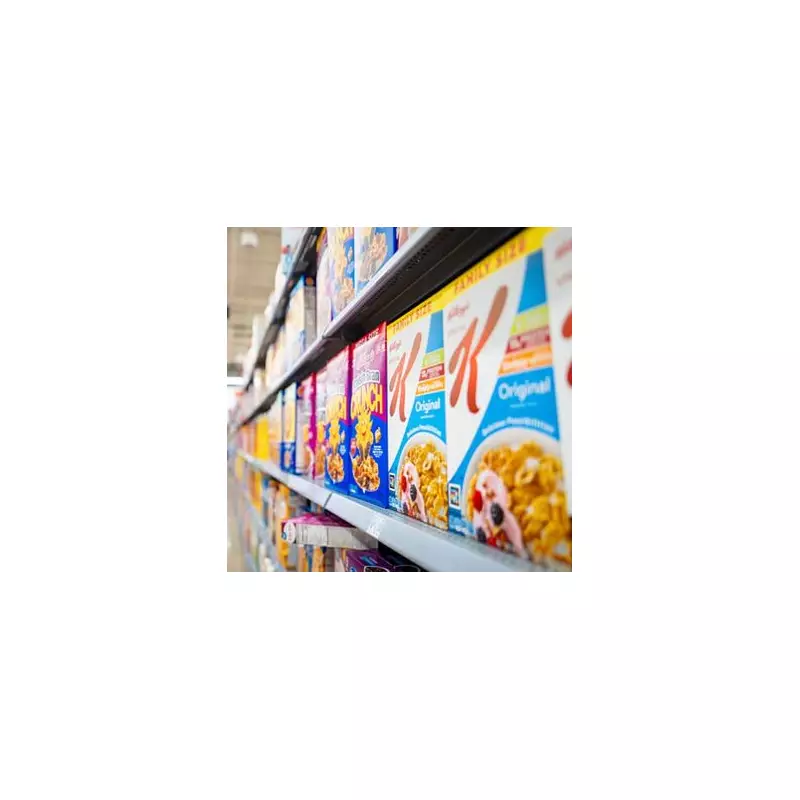
Breakfast tables across Britain are at the centre of a consumer row after cereal giant Kellogg's quietly reduced the size of a popular product while maintaining its price.
Shoppers Feel 'Robbed in Daylight'
Customers have reacted with fury, accusing the US-based manufacturer of a "daylight robbery" after discovering the change. The controversy centres on a staple cereal box, which has been reduced from 500 grams to 460 grams. At Tesco, the new, smaller box is being sold for £3.40 – the identical price previously charged for the larger 500g version, which is no longer listed on the supermarket's website.
One disgruntled shopper voiced the feelings of many online, stating simply: "How we all are robbed in daylight." This is not an isolated incident for Kellogg's, which has also cut the number of Rice Krispies cereal bars in multipacks from six to four.

Kellogg's and Retailers Respond to Backlash
When confronted about the shrinkflation move, a spokesperson for Kellogg's defended the decision. "The pack size change simply reflects what it takes to keep making the cereal," the company stated, implying that rising production costs necessitated the reduction.
The British Retail Consortium (BRC), which represents UK supermarkets, was drawn into the debate. Andrew Opie, the BRC's Director of Food & Sustainability, explained that for branded goods, decisions on size and pricing are primarily driven by the manufacturers themselves, based on their production costs. He insisted retailers are doing "everything they can" to limit price increases for customers.
"Prices and sizes of all products are clearly labelled so that customers can make informed decisions about their purchases," Mr Opie added, addressing the ongoing shrinkflation trend affecting numerous household items.
Calls for Greater Transparency on Shrinkflation
Consumer advocates argue that more must be done to protect shoppers from stealth price hikes. Ele Clark, a retail editor for the consumer group Which?, called for supermarkets and manufacturers to be far more upfront.
She urged them to ensure that changes to popular products are clear, and that unit pricing is "prominent, legible and consistent in-store and online." This, she argued, would allow shoppers to easily compare value across different brands and pack sizes amidst a persistent cost-of-living squeeze.
The row highlights the ongoing tension between manufacturers grappling with higher input costs and households feeling the financial strain, with the breakfast bowl becoming an unlikely battleground.