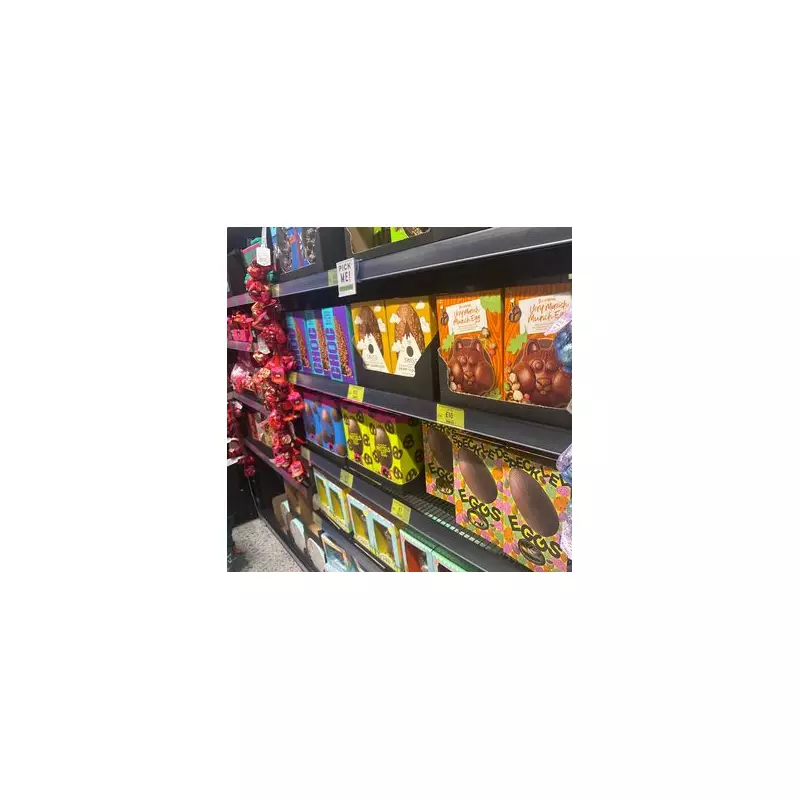
Marks & Spencer has sparked surprise by stocking shelves with Easter chocolate a staggering three months before the holiday, with its Birmingham Bullring store at the centre of the early launch.
Easter Arrives in January
While much of Britain remains in the grip of winter, with many areas covered in snow just days after Christmas, retailers appear to be fast-forwarding to spring. On Saturday, January 3, 2026, the M&S megastore in the Bullring shopping centre was seen with dozens of Easter products already on display.
The seasonal section featured a wide array of own-brand goods, from loaded chocolate eggs to Easter-themed lollies. Among the new items noted was a set of four pistachio chocolate eggs, echoing a popular confectionery trend from Dubai that gained traction in 2025.

The Easter goods were fully stocked and available for purchase, with prices varying across the range. Easter Sunday itself falls on April 5, 2026, making this retail move precisely three months premature.
A Wider Trend of Early Seasonal Sales
This is not an isolated incident. M&S is not the only retailer accused of rushing the seasonal calendar. Only weeks earlier, an Iceland store in the Black Country was spotted selling a large variety of traditional chocolate eggs.
The Iceland on Dudley Street in Sedgley was seen offering eggs from popular brands like Maltesers, Dairy Milk, and KitKat, with prices starting from around £1.50.
Furthermore, a Morrisons supermarket in Solihull was also reported to be selling "tonnes" of Easter eggs almost 100 days in advance. The display prompted strong reactions from some customers, with one labelling the practice "absolutely criminal."
Public Reaction to Commercial Creep
The early appearance of festive goods has drawn criticism from shoppers who feel it diminishes the significance of seasonal celebrations. One disgruntled customer expressed their frustration, stating: "I detest this. Sick to death of commercialism ruining our celebrations with their overt promotions, which destroy any kind of sacredness attached to the events."
This pattern highlights the ongoing tension between retail commercial strategies and consumer sentiment regarding the timing of seasonal promotions. As supermarkets compete for sales, the traditional boundaries marking holiday retail periods continue to blur.