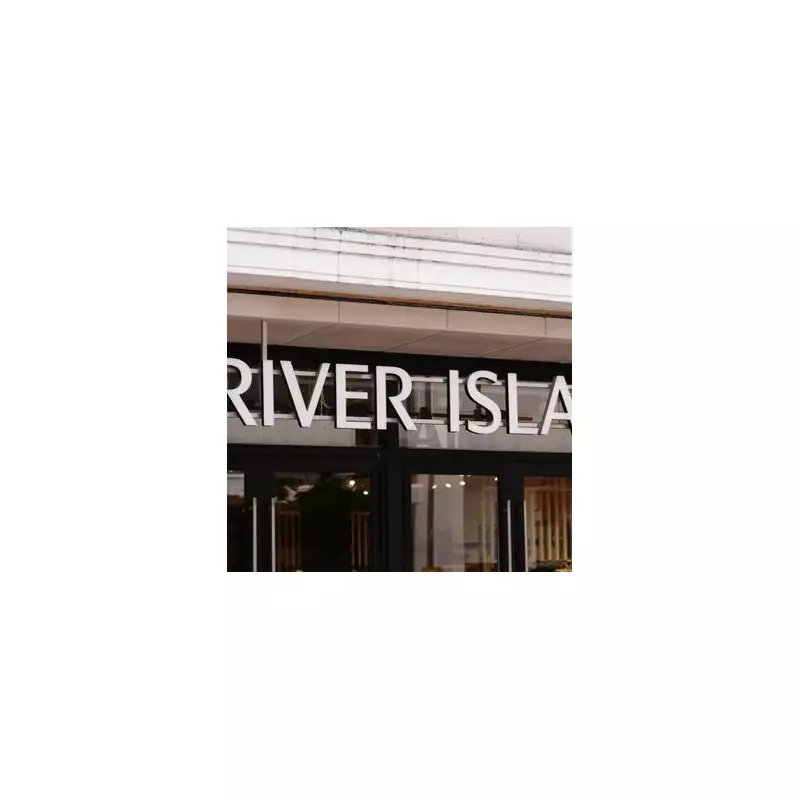
High street fashion chain River Island has announced it will close 33 of its UK stores before the end of January 2026 as part of a crucial restructuring plan designed to secure the future of its retail business.
The Full List of Closing Stores
The company has confirmed the locations of the 33 shops earmarked for closure. The affected stores span the length and breadth of the UK, from Scotland to the South of England.
The River Island stores set to close are located in:

- Aylesbury, Buckinghamshire
- Bangor Bloomfield, Northern Ireland
- Barnstaple, Devon
- Beckton, Greater London
- Brighton, East Sussex
- Burton-Upon-Trent, Derbyshire
- Cumbernauld, Scotland
- Didcot, Oxfordshire
- Edinburgh Princes Street, Scotland
- Falkirk, Scotland
- Gloucester, Gloucestershire
- Great Yarmouth
- Grimsby, Lincolnshire
- Hanley, Staffordshire
- Hartlepool, County Durham
- Hereford, Herefordshire
- Kilmarnock, Scotland
- Kirkcaldy, Scotland
- Leeds Birstall Park, West Yorkshire
- Lisburn, Northern Ireland
- Northwich, Cheshire
- Norwich, Norfolk
- Oxford, Oxfordshire
- Perth, Scotland
- Poole, Dorset
- Rochdale, Greater Manchester
- St Helens, Merseyside
- Surrey Quays, Greater London
- Sutton Coldfield, Warwickshire
- Taunton, Somerset
- Workington, Cumbria
- Wrexham, Wales
A Plan to Save the Business
The store closures are a central part of a rescue plan formally laid out by the London-based retailer. In addition to shutting these 33 locations, the company has negotiated reduced rents on a further 71 of its shops. The move comes amid what the chain describes as a "tough outlook" for the UK high street.
Ben Lewis, River Island's chief executive, commented on the decision, which was announced just ahead of the Christmas and New Year period. He stated, "Recent improvements in our fashion offer and shopping experience are starting to show results, and the restructuring plan will enable us to align our store estate to our customers’ needs."
Lewis also expressed gratitude to suppliers, landlords, and other stakeholders for their support during the process.
Challenges of a Changing Retail Landscape
The company, which was founded in 1948 and employs approximately 5,500 people, has faced significant financial headwinds. Matthew Weaver KC, representing River Island, previously explained that the business "simply has not been able to reverse" a trend of financial difficulty.
In written submissions, he pointed to a decline in footfall and sales, driven by the intense competition in the retail sector and the ongoing consumer shift from physical high street stores to online shopping. This restructuring is a direct response to these pervasive market challenges.
It is important to note that not all stores are affected. For example, the retailer will continue to operate its prominent branches in Birmingham's Bullring and at the Touchwood centre in Solihull.
The planned closures by the end of January mark a significant moment for the veteran high street brand as it seeks to adapt its physical presence to the modern retail environment and ensure its long-term survival.