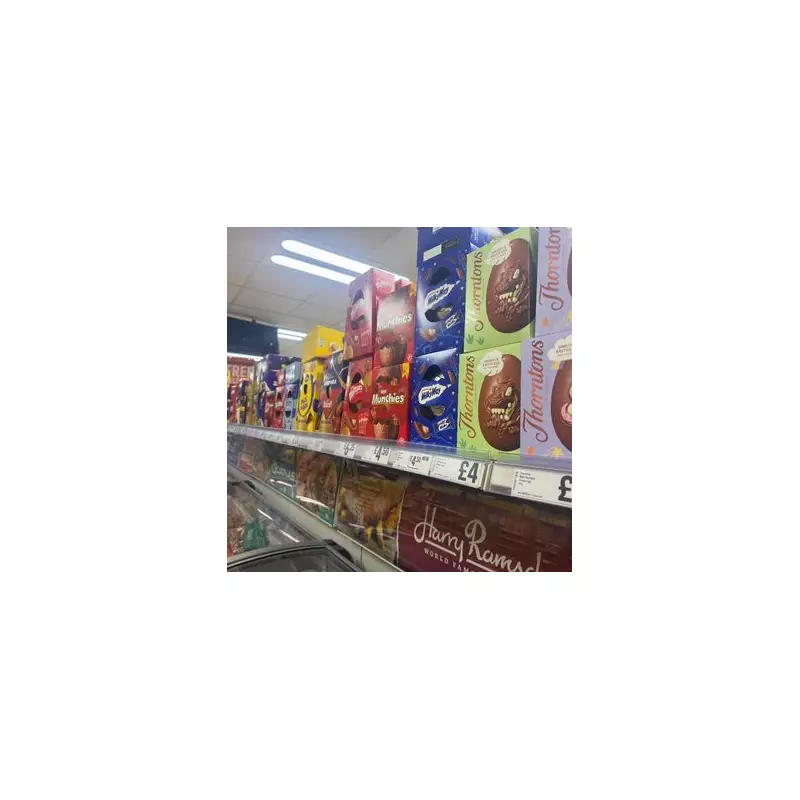
A major supermarket in the Black Country has ignited a debate after being spotted selling Easter confectionery a staggering four months ahead of the holiday.
Chocolate on Shelves Before New Year's Eve
The Iceland store on Dudley Street in Sedgley was seen with dozens of chocolate eggs prominently displayed on its shelves on 30th December 2025. The selection included popular brands such as Maltesers, Dairy Milk, and KitKat, with prices starting from around £1.50.
This early rollout comes barely days after Christmas, leaving many customers bewildered. One local shopper expressed a common sentiment, stating it was "ridiculous, no,no,no…too early." Another demanded, "Aw give us a break!!!" while a third reacted more strongly, saying, "Wtf its not even been the new year yet, go away."
A Nationwide Trend of Early Promotions
Iceland is not alone in this practice. Other retail giants have also been bitten by the Easter bug well ahead of schedule. A Morrisons branch in Solihull was reportedly selling "tonnes of Easter eggs" almost 100 days before Easter Sunday, with some customers labelling the display as "absolutely criminal."
Furthermore, Poundland shops across the country have been observed stocking rows of Easter eggs. The trend has drawn sharp criticism from shoppers who feel the relentless commercialism is undermining traditional celebrations. One disgruntled customer commented, "I detest this. Sick to death of commercialism ruining our celebrations with their overt promotions, which destroy any kind of sacredness attached to the events."
Broader Backlash Against Seasonal Creep
The controversy over Easter eggs is part of a wider pattern of seasonal product creep that frustrates consumers. Shoppers at Tesco have also recently criticised the grocer for preparing Christmas-themed products for shelves over a week ago, indicating a year-round cycle of holiday marketing that many find excessive.
This incident highlights the growing tension between retail commercial strategies and public sentiment, as stores compete to be the first to market with seasonal goods, often at the expense of the previous holiday's conclusion.