Thames Water and Wessex Water are among five water companies that have been provisionally given the go-ahead by the industry regulator Ofwat to increase customer bills further, as part of plans allowing suppliers to spend an additional £3.4bn by the end of the decade.
In its draft determination, Ofwat revealed that five of 13 suppliers across England and Wales are set to be granted permission to raise charges for customers to fund the extra investment. The funding is intended to help upgrade networks to cope with new housing and data centres, and to tackle so-called forever chemicals to ensure drinking water is safe and reliable.
Which firms are affected?
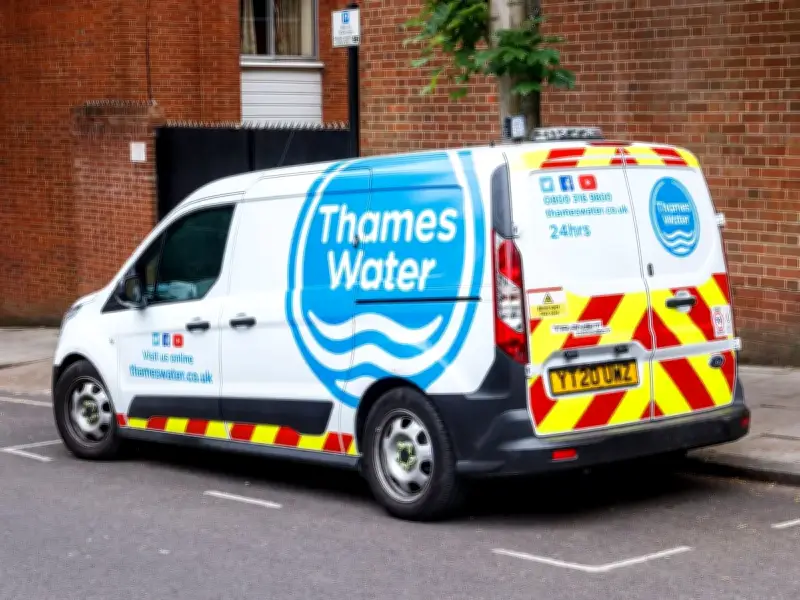
Debt-laden Thames Water is one of the firms provisionally allowed to increase customer bills between 2027 and 2030, alongside Severn Trent Water, Southern Water, Wessex Water and South East Water. Thames Water covers a large area of London and the Thames Valley, as well as Oxfordshire, Berkshire, Wiltshire and Gloucestershire. Wessex Water, meanwhile, operates across Dorset, Somerset and Bristol, as well as most of Wiltshire and parts of Gloucestershire and Hampshire.
The decision follows a three-month review by Ofwat, with the 13 firms originally putting forward requests for further investment totalling £4.3bn. Ofwat will now consult on the draft decision until September 24, with a final verdict due in December.
Why is the extra funding needed?
Helen Campbell, executive director for delivery at Ofwat, said: “The newly agreed funding will help unlock much-needed new housing development and boost business growth across a range of sectors, as well as improving drinking water quality and the removal of PFAS and forever chemicals. We will track performance to ensure companies are delivering the expected improvements for customers and the environment. If they don’t, expenditure can be clawed back.”
Environment Secretary Angela Eagle said: “I know that households across the country are watching every pound and I share their frustration that years of underinvestment and toothless regulation has led to this. We have already ringfenced money earmarked for new infrastructure so it can only be spent on fixing the problems, and will go further by fundamentally reforming the water sector so that it works for the public; keeping bills as low as they can be, and delivering higher standards, better performance and cleaner waterways.”
Thames Water's financial troubles
The news comes just days after Thames Water sparked outrage after handing a delayed £1m “golden handshake” to its chief financial officer and agreeing controversial retention payouts to top bosses as it battles to secure its financial future. The stricken supplier is sinking under a debt pile of more than £20bn.
Ofwat's draft decision represents a significant step in the regulatory process, with the consultation period offering stakeholders an opportunity to respond before the final determination is made in December. The outcome will determine how much customers of the five companies will see their bills rise over the 2027-2030 period, and whether the promised infrastructure improvements are delivered.