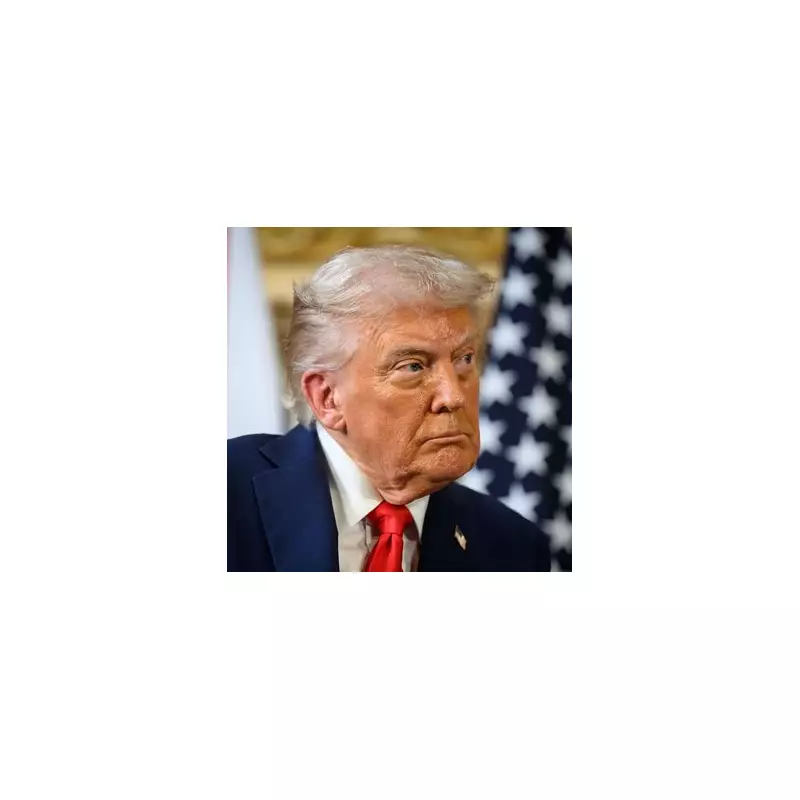
In a dramatic escalation of international tensions, former US President Donald Trump has issued a stark trade ultimatum to the United Kingdom. The threat is linked to British opposition to his renewed ambitions to purchase the vast Arctic territory of Greenland from Denmark.
The Tariff Threat: A Timeline of Economic Pressure
Trump has declared he will impose a 10% tariff on all goods imported from the UK to the United States, effective from February 1, 2026. This initial levy is set to rise sharply to a punitive 25% from June 1 if his administration fails to secure a deal for the acquisition of Greenland.
Tariffs function as taxes on imported products, paid by the purchasing companies to customs authorities. Their primary aim is to make foreign goods more expensive, thereby encouraging American businesses to source products domestically and avoid the extra cost. US firms importing from British suppliers would bear the immediate financial impact.
Potential Impact on Key British Industries and the Economy
The proposed trade barriers would directly target vital sectors of the UK economy. Major exports like automotive products, machinery, and high-value Scottish whisky are in the firing line. While a 2025 prosperity deal secured some tariff exemptions for UK steel, aluminium, aerospace, and cars, these protections often cover limited quotas and their survival under Trump's new mandate is uncertain.
Economic analysts are warning of significant consequences. A blanket 10% tariff could reduce the UK's GDP by approximately 0.1%, while the escalated 25% charge could cut economic output by 0.2% to 0.5%. Such a move risks stifling national growth and could disrupt the UK's recent progress in lowering inflation, which fell to 3.2% in November 2025.
Diplomatic Crisis and Calls for Calm
Prime Minister Sir Keir Starmer has responded by urging the United States to resolve the dispute through diplomatic dialogue, warning against aggressive economic measures that could spark a global trade war. Trump's interest in Greenland is reportedly driven by its strategic Arctic location and considerable mineral wealth, turning the island into an unexpected flashpoint in transatlantic relations.
The UK and Germany are seen as the European nations most exposed to these proposed tariffs due to their large export shares to the US market. The situation underscores the fragility of international trade agreements and the potential for geopolitical ambitions to trigger widespread economic disruption.