Businessman Hit with £3,000 Bill for Displaying Flags on Lampposts
A businessman from Scarborough has expressed outrage after receiving a substantial invoice from local authorities for hanging flags on public lampposts. Will Haylett, 43, was charged nearly £3,000 for what the council deemed unauthorised installations of Union and St George's flags throughout the North Yorkshire holiday resort.
Attempt to Uplift Community Spirits
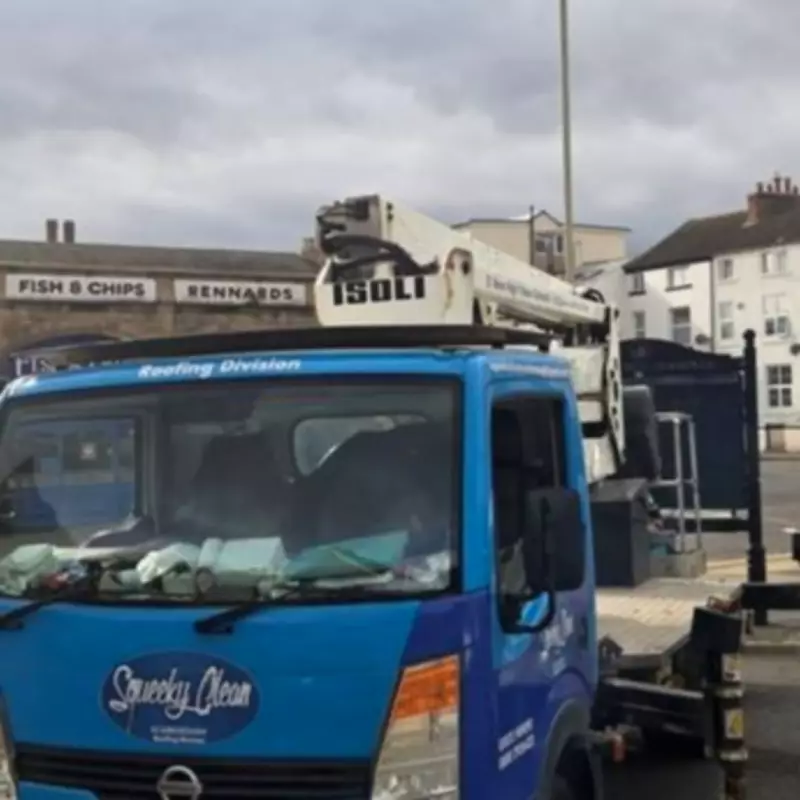
Will Haylett, who runs an exterior cleaning and high-level maintenance business, stated that his intention was purely to lift people's spirits in the area. Using his company's cherry picker, he erected dozens of flags on lampposts, aiming to bring smiles to residents' faces during what he perceived as a period of low morale.
"I've lived in Scarborough all of my life," Haylett explained. "For years, I've been driving around and seeing local people down and depressed. I thought, what's going on? I have a cherry picker, so I thought I could help lift people's spirits by putting up a few flags here and there. It was to bring us all together and put smiles on people's faces."
Council's Response and Safety Concerns
North Yorkshire Council removed 64 flags that they believed belonged to Haylett's firm, Squeeky Clean. In correspondence, the council informed him that retrieving the flags would cost £36.27 per flag plus VAT, totaling £2,785.50. The authority emphasised that attaching flags to lampposts without consent is an offence and could pose safety issues, noting they had received complaints about the displays.
"The council wanted me to stop putting things on 'our' lampposts," Haylett recounted. "I thought, what's the problem? It all came from one or two lefties." He described feeling disgusted by the council's actions, leading to negotiations where he offered to make a donation to a veterans charity instead, which the council accepted.
Broader Context of Flag Displays
This incident is part of a larger trend across the UK, where flags have appeared on lampposts, railings, and roundabouts in various towns and cities, including Birmingham. While some view these displays as expressions of national pride, others have criticised them as intimidating or politically charged, resulting in complaints and removals in multiple regions.
Haylett, who has operated his business for 11 years, mentioned having ongoing discussions with the council before receiving the bill. His case highlights the tension between community-led initiatives and municipal regulations, raising questions about the balance between public expression and local governance.