Newly released data has delivered a stark warning about the scale of drink-driving on Britain's roads during the festive period, with figures suggesting the problem is worse than many anticipated.
Alarming Festive Figures Revealed
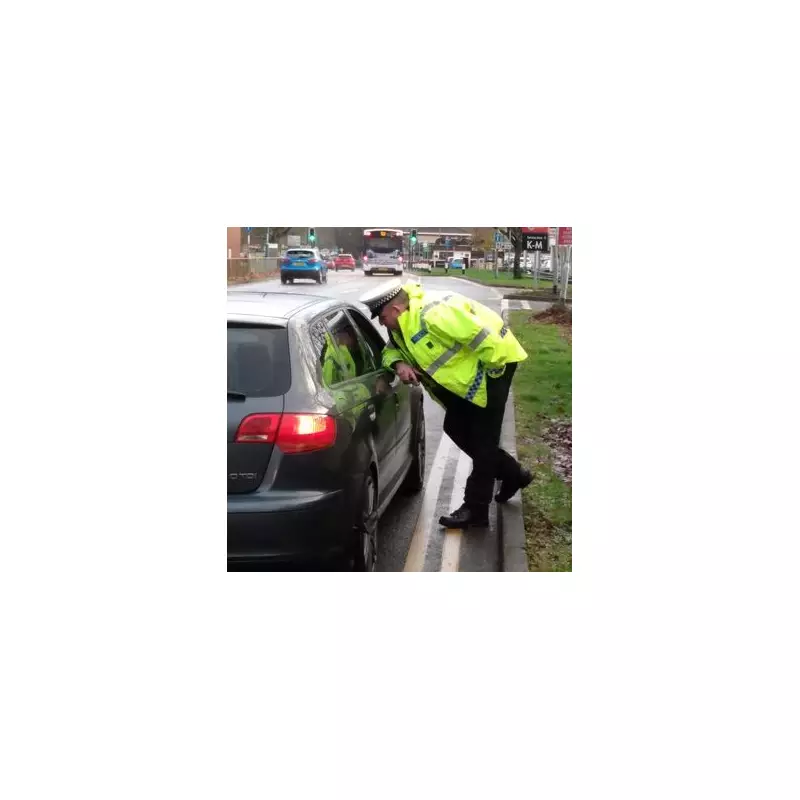
Freedom of Information data obtained by the motoring firm cinch shows a deeply concerning pattern. Over the last three Decembers – in 2022, 2023, and 2024 – police conducted approximately 53,700 roadside breath tests.
From these tests, a shocking 5,247 drivers were recorded as being over the legal alcohol limit. This equates to roughly one in every ten motorists stopped and breathalysed during the festive season.

The data emerges as police forces across the country prepare to increase their presence on the roads this Christmas, aware that drink-driving incidents typically rise as people celebrate with family, friends, and colleagues.
Regional Hotspots Show Extreme Rates
The national picture masks even more severe problems in specific regions. The data highlights several areas where the failure rate was alarmingly high.
In West Yorkshire, close to one in three drivers tested over Christmas were found to be over the legal limit. Suffolk Constabulary recorded a failure rate of approximately 21%, while North Wales Police saw around 18% of tested drivers exceed the limit.
These figures indicate that significant numbers of motorists are continuing to take the risk and get behind the wheel after drinking, despite repeated public safety warnings.
Calls for Review of Drink-Drive Laws
Ben Welham, motoring editor at cinch, commented on the findings. "Christmas is a critical period for drink-drive testing, and the data shows police are carrying out large volumes of roadside stops during the festive season to prevent harm," he said.
"However, even with this level of enforcement, significant numbers of drivers are still being caught over the legal limit, sometimes at extremely high levels."
Welham suggested it may be time to reconsider the UK's approach. "Looking at approaches elsewhere, including Scotland’s lower alcohol limit threshold and zero-tolerance policies in other parts of Europe, it’s reasonable to ask whether clearer, simpler rules and messaging could help further reduce risk on the roads."
The increased police activity over the coming weeks serves as a clear warning to anyone tempted to drive after drinking. The data proves that the chance of being caught is significant, with potentially life-changing consequences for offenders and devastating impacts on victims.