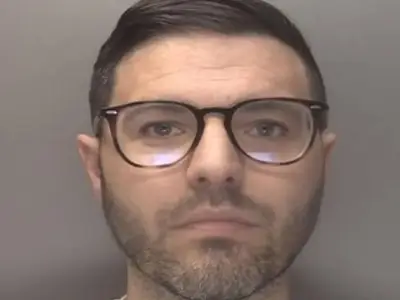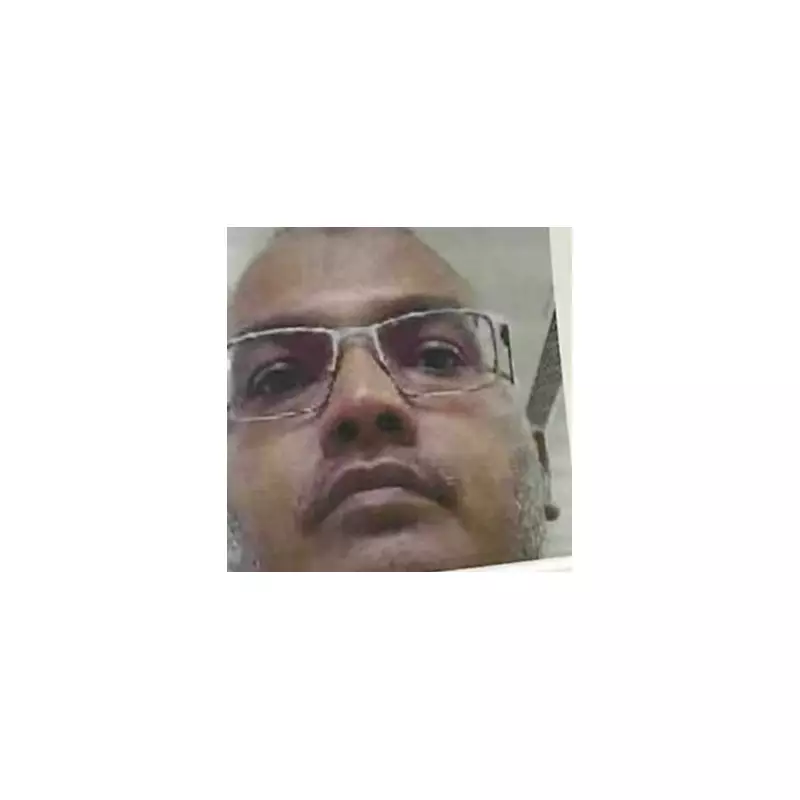
A clear photograph of Sajid Akram, the alleged perpetrator of the deadly Bondi Beach terror attack, has been released for the first time, as his family insist they had no knowledge of his radical beliefs.
Family Express Shock and Deny Prior Knowledge
The 50-year-old gunman, who killed 15 people and injured over 40 at a Jewish Hanukkah celebration in Sydney, Australia, was fatally shot by police at the scene. His 24-year-old son, Naveed, who was with him, has since been charged with 59 offences, including 15 counts of murder, after waking from a coma.
In a statement reported by The Mirror, Akram's family said they were completely oblivious to his 'radical mindset' or the circumstances that led to his radicalisation. Australian police have confirmed they believe the attack was inspired by ISIS.

Background and International Travel Under Scrutiny
Authorities have disclosed that Sajid Akram was originally from Hyderabad, India, where he completed a Bachelor of Commerce. He moved to Australia on a student visa in 1998 and later switched to a partner visa after marriage.
Police records show he made six trips back to India, primarily for family or property matters, with the last known visit in 2022. Notably, he did not return when his father died in 2017. An Indian police spokesperson stated: "The factors that led to the radicalisation of Sajid Akram appear to have no connection with India or any local influence in Telangana."
Contact with his relatives reportedly became sporadic in recent years.
Ongoing Investigations and Unanswered Questions
Alongside the release of the new image, which has been circulated in Australian media, investigators are probing a trip Akram and his son took to the Philippines. Immigration officials verified the pair travelled there on 1 November, though the purpose of the visit remains unknown.
The emergence of the photograph and the family's statements add new layers to the investigation into one of Australia's worst terror attacks, as authorities continue to piece together the timeline of the attacker's radicalisation.