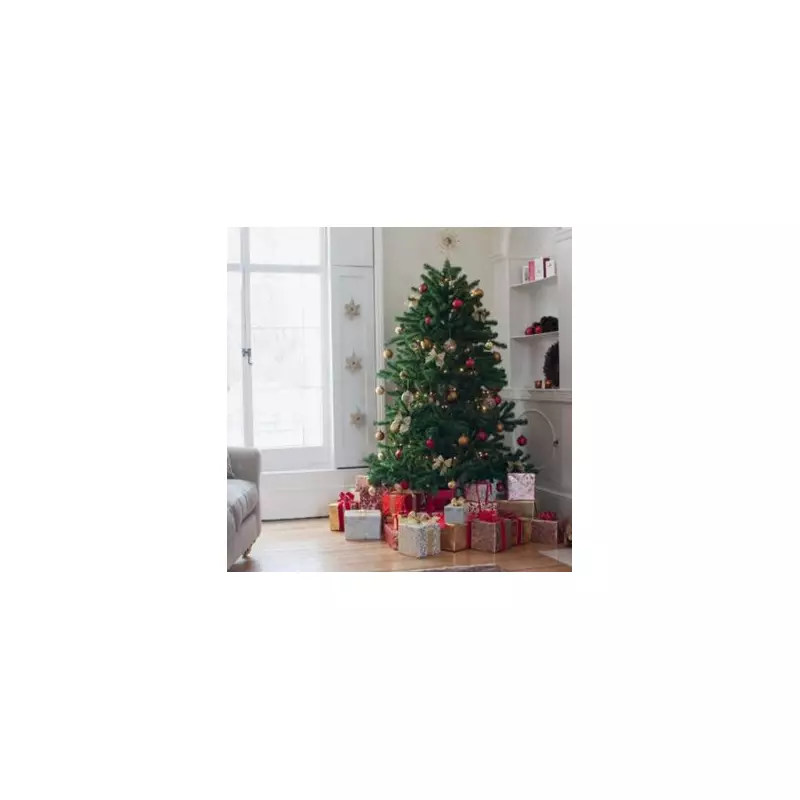
The London Fire Brigade has issued a stark safety warning to residents over a hazardous but popular method of disposing of real Christmas trees. The alert comes as data reveals the service attends almost twice as many fires involving festive firs in January compared to December.
Why Burning Trees Poses a Severe Fire Risk
Officials believe this alarming seasonal spike is directly linked to people choosing to burn their dried-out trees, often in gardens or on pavements, rather than using safe recycling services. With many trees being erected as early as the beginning of November, they have had ample time to dry out completely by early January.
A desiccated Christmas tree can ignite in seconds and burn with extreme intensity, causing flames to spread rapidly to nearby structures, fences, or other vegetation. This puts lives, homes, and gardens at serious risk.

Outdoor Fires Account for Majority of Incidents
The Brigade's analysis of the last five years shows a clear pattern: over 60 per cent of Christmas tree fires occurred outdoors, including in private gardens and on street pavements. This statistic underscores the danger of attempting to burn a tree, even in an open space.
Paul Jennings, the Brigade’s Assistant Commissioner for Fire Safety, highlighted the common misconception about the origins of these fires. "Many will be aware of the dangers associated with faulty Christmas lights and candles being too close to Christmas trees," he said. "But you might not have known that a considerable amount of the fires we attend involving Christmas trees are actually caused by people burning them outdoors."
Safe and Sustainable Alternatives to Burning
Authorities are urging the public to explore the numerous safer and more environmentally friendly disposal options available. "It might not be as simple as packing up an artificial tree into a box, but there are lots of better ways you can safely recycle your real Christmas tree without the need to burn it," Jennings advised.
He pointed out that many charities offer collection services, providing a dual benefit. "This is a great way to recycle your tree and support your local charity at the same time," he added.
Echoing the call for sustainable practices, Mayor Philip Glanville, Chair of London Councils’ Transport and Environment Committee, said: "We can make the festive season even greener by planning to reuse and recycle seasonal waste as much as we can."
He encouraged residents to research the best local disposal methods: "Many boroughs are offering designated drop-off sites, household waste recycling centres, or collection services for real Christmas trees to be recycled so we can all enjoy a more sustainable Christmas and New Year."
The clear message from officials is to avoid the dangerous shortcut of burning. Residents are advised to visit their local council’s website for specific information on tree recycling collections and drop-off points in their area.