West Midlands Police Introduces Innovative Bus Safety Card Pilot
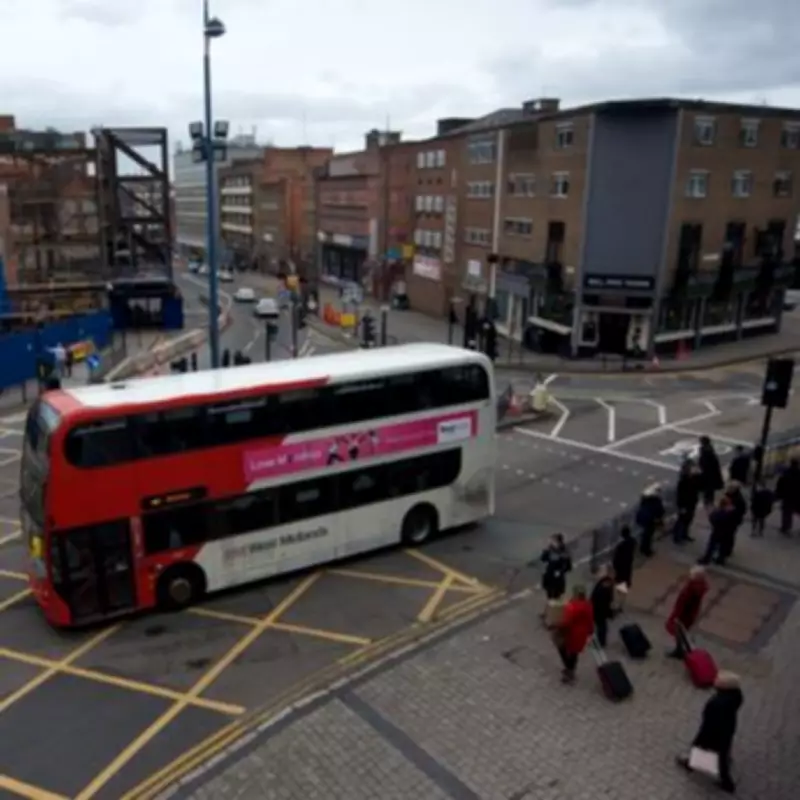
West Midlands Police has unveiled a groundbreaking new pilot scheme designed to enhance passenger safety on buses across the region. The initiative, led by education officer Paula Shortland, aims to provide a discreet way for individuals to report unwanted sexual behaviours or unsafe situations without having to speak.
Discreet Communication for Vulnerable Passengers
Dubbed "Ask for Angela but in a card," the pilot involves a plastic card that resembles a standard travel pass. Paula Shortland, who heads Project Empower—a campaign focused on raising awareness about reporting inappropriate behaviours on public transport—explained the concept in detail. "It's like Ask for Angela, but in a card," she said. "It looks like a travel card. If you show that to the bus driver, these are our empower colours, the bus driver knows that something horrible is happening."
The card's design allows for subtle communication, particularly beneficial for those who may be nonverbal, have English as a second language, or simply wish to avoid drawing attention. "You don't have to say words," Shortland emphasized. "It might be that English is your second language, you might be nonverbal, it might be you just don't want to tell the whole bus—but something's happened."

How the Safety Card Works
When a passenger presents the card to a bus driver, the driver is trained to radio their control room, which then contacts the police. This system enables authorities to quickly pinpoint CCTV footage and respond promptly. "They know and the quicker they know, the quicker we can be out there supporting them," Shortland added.
The card also features a QR code on the back, providing direct access to live chats or police assistance. This additional layer of support ensures that individuals can seek help even after leaving the bus.
Addressing Vulnerability on Public Transport
Reflecting on the pilot, Shortland highlighted that many people, including girls and women, often feel vulnerable while using buses. The card offers a practical solution to share discomfort without verbal communication. "It's for everybody," she stated. "Everybody feels vulnerable, but a lot of girls want it because they know then that if you're in a situation that we were in—you don't have to say anything. I can show that to the bus driver and that will get me out of that kind of frozen moment."
Project Empower is supported by the Safer Travel Partnership, which includes West Midlands Police, British Transport Police, and Transport for West Midlands. This collaboration underscores a commitment to improving safety across the region's transport network.
The pilot scheme represents a significant step forward in community safety initiatives, leveraging simple yet effective tools to protect passengers. As it undergoes testing, authorities hope it will become a standard feature, fostering a safer environment for all bus users in the West Midlands.