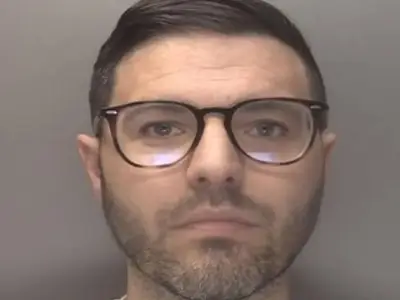
A fraudster who systematically conned women out of their life savings through online dating scams has been handed a landmark 17-year prison sentence, as new data reveals a sharp rise in such crimes targeting older adults.
A Deceptive Persona and Devastating Crimes
Nigel Baker, 56, posed as a wealthy entrepreneur on dating apps to specifically target divorced single mothers. Using a carefully crafted persona of charm and success, he manipulated at least five victims into handing over more than £900,000 in total. His sentencing is believed to be the toughest punishment ever delivered in the UK for this type of romance fraud, signalling a strong judicial stance against these devastating crimes.
The Alarming Rise of Online Romance Fraud
This case highlights a worrying national trend. According to data from Lloyds Bank, romance scams targeting people aged over 55 increased by a staggering 52% last year. Those aged 35 to 44 also saw a significant 20% rise. While the 55-64 age group remains the most commonly targeted, accounting for one in five cases, victims aged 75 to 84 suffered the highest average losses, at around £8,068 per person.

Experts warn that the sophistication of these scams is growing. The use of artificial intelligence (AI) is making fake profiles, photos, and even voice calls increasingly realistic, making it harder for people to distinguish between genuine connections and elaborate cons. Fraudsters often deploy familiar narratives, claiming to work overseas, in the military, or as emergency workers, and consistently invent excuses to avoid video calls or in-person meetings.
How to Protect Yourself from Financial and Emotional Harm
Katie Elliot, consumer and money editor at the Express, spoke to TSB Bank fraud expert Richard Daniels about the emotional toll. He noted that periods like Christmas, when people may seek connection, are often exploited by criminals. To safeguard against such scams, vigilance is key.
Watch for these critical red flags:
- Rapid declarations of love or intense affection early in the relationship.
- Persistent excuses to avoid video chats or face-to-face meetings.
- Inconsistencies in their stories, details, or timelines.
- Any request for money, no matter how urgent or convincing the reason.
The most crucial rule is to never transfer money to someone you have not met in person. If an online relationship feels secretive, stressful, or becomes financially demanding, seek a second opinion from a trusted friend or family member before taking any action.