Walkers Crisps Fingerprint Evidence Helps Jail Drug Lord After Dubai Return
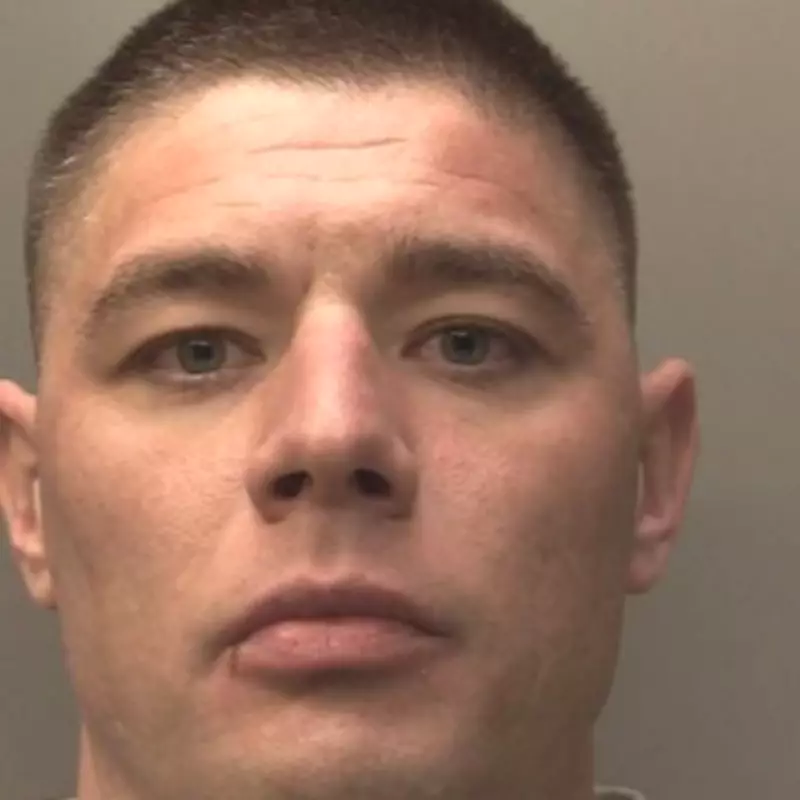
James Hitchmough, a 35-year-old drug lord from Huyton, has been sentenced to 13 years in prison after a major police investigation that used fingerprint evidence from a photo of him holding a bag of Walkers crisps. Hitchmough, who operated under the handles "Brutal Whale" and "Roll Play" on the encrypted EncroChat platform, was involved in large-scale drug trafficking and money laundering.
Major Drug Operation Uncovered
Liverpool Crown Court heard that Hitchmough "brokered the sale and supply" of cocaine, heroin, and cannabis across Merseyside. The operation was described as "established, large scale, highly active and sophisticated" by Judge Garrett Byrne during sentencing. Prosecutors detailed how Hitchmough discussed supplying 64.5kg of cocaine, 37.5kg of heroin, and 33kg of cannabis, while also moving £2.48 million in illicit cash.
Holly Menary, prosecuting, stated: "The business operated across Merseyside and was operating, effectively, every single day. He would offer a deal of the day, demonstrating that he was able to supply drugs every day and had enough product and cash to offer deals."

EncroChat Investigation and Dubai Return
Hitchmough had been using the EncroChat encrypted communication service until French police infiltrated it in 2020. Despite this breach, he continued his criminal activities before fleeing to Dubai. However, he eventually returned to the UK voluntarily, landing at Manchester Airport on October 27 last year, where he was immediately arrested.
His defense lawyer, Stuart Mills, explained: "He made the conscious decision to return to the United Kingdom, knowing that he would be arrested upon landing. He simply could not carry on any longer whilst being sought by the authorities."
Fingerprint Evidence from Crisps Photo
The crucial evidence came when detectives matched Hitchmough's fingerprints from police records to those visible in an image he had sent of himself holding a bag of Walkers Sensations crisps. This photographic evidence, combined with messages where accomplices referred to him as "Jim" and "Jimmy," helped confirm his identity as the operator behind the "Brutal Whale" handle.
Detective Sergeant Craig Doyle of Merseyside Police commented: "He thought that by using the encrypted Encrochat service and hiding behind names like Brutal Whale he would avoid detection. But the information and images he shared provided police with a weight of evidence that has helped put him behind bars for a long time."
Sophisticated Smuggling Methods
The court heard how Hitchmough employed advanced smuggling techniques, including:
- Using a "banana boat" to transport drugs into the UK
- Arranging for vehicles to be fitted with hidden compartments
- Providing advice on the best vehicles for covert transportation
- Facilitating the building of stashes in various wagons for international smuggling
Hitchmough also used his criminal proceeds to invest in property abroad and purchase luxury items, including at least one high-end watch.
Criminal History and Sentencing
Hitchmough had previous convictions, including a nine-year sentence for wounding and kidnapping in 2013 after he and an accomplice attacked a dog walker with a hammer. He was released from that sentence in 2017 before becoming involved in the drug operation that led to his current conviction.
Judge Byrne emphasized during sentencing: "Those who engage in this sort of conduct at this level must expect to receive lengthy periods of imprisonment." The 13-year sentence reflects the scale and seriousness of Hitchmough's crimes.
Merseyside Police have indicated they will now pursue a Proceeds of Crime Act application to confiscate Hitchmough's ill-gotten gains. Detective Sergeant Doyle added: "We know the misery caused by the sale and distribution of drugs. Drugs dealers do not care about the harm and devastation they cause. They care only about lining their pockets. But crime does not pay."