For most of us, the Birmingham of 1952 is a world preserved only in photographs and memories. As we look back 74 years, we see a city on the brink of significant transformation, where familiar icons were making their final bows and community life pulsed through its historic streets.
The End of an Era: Trams and Timeless Entertainment
The iconic tram network, which had clattered through the city's neighbourhoods for decades, was reaching its terminus. The final No. 70 tram ceased its run along Bristol Road through Northfield in 1952, with the very last tram in Birmingham rolling off the tracks the following year. A poignant photograph captures one such tram drawing up outside the Bell Hotel on its last night of service, 5th July 1952.
Meanwhile, the world of entertainment offered a different kind of magic. The legendary comedy duo Laurel and Hardy performed at the Birmingham Hippodrome in 1952 as part of a nationwide tour, bringing laughter to audiences in a pre-digital age.
Community Spirit and Historic Landmarks
Community life thrived in traditional gatherings. The Onion Fair was in full swing at the Serpentine Grounds in Aston on 26th September. This centuries-old tradition, rooted in Michaelmas fairs, originally saw traders—some travelling from as far as France—selling onions and other goods to add flavour to basic meals.
Amidst the change, several landmarks have defiantly stood the test of time. The Old Crown pub in Deritend, photographed on 5th November 1952, has changed little. Similarly, the front of Aston Villa's ground, Villa Park, remains recognisable from a photo taken on 17th April that year, which shows young fans gathered outside. Solihull High Street, captured on 21st May, has since been pedestrianised but otherwise retains its character.
A Snapshot of Daily Life and Industry
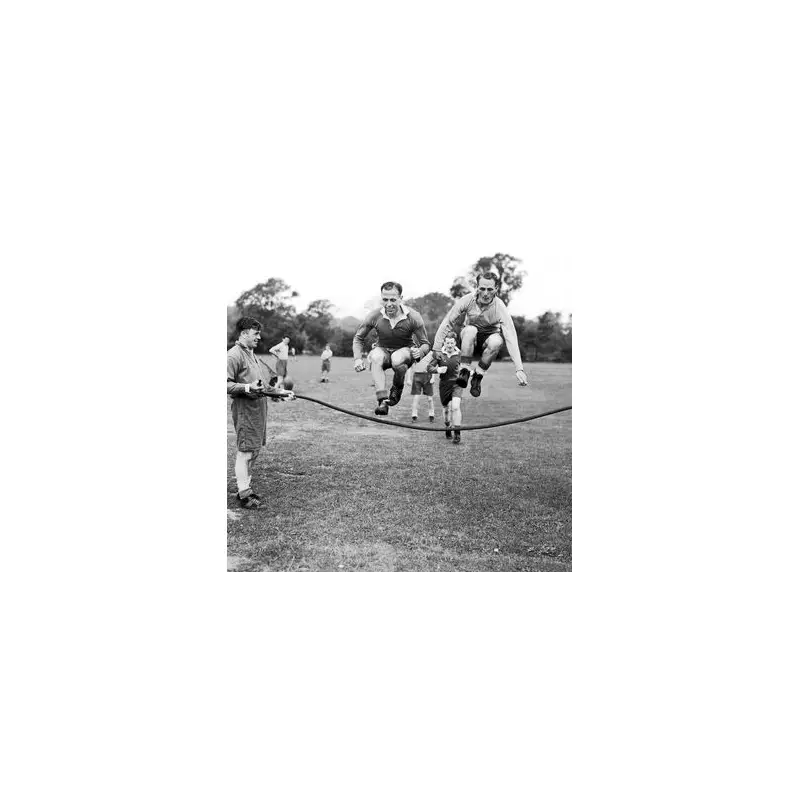
The photographs from 1952 paint a vivid picture of daily life, work, and leisure across the region. They show Birmingham City football team training at Elmdon on 21st August and later enjoying a snowball fight at St Andrews on 17th December. They document industry, from Wil and Arthur Preedy crafting hamper baskets in their Deritend workshop on 21st May to Ernie Rowley engraving a vase at the Brierley Hill Glassworks on 1st April.
Scenes from Walsall Market on 9th October, the swimming baths at Green Lane in Small Heath, and young train spotters noting steam locomotive numbers in August all speak to the rhythm of life. From the slum housing documented in August to the verdant view from Erdington Parish Church in September, the collection shows a city of contrasts, forever captured in a moment of post-war Britain.
These glimpses into 1952 reveal a Birmingham both profoundly different and reassuringly familiar. They remind us that while technology and transport evolve, the heart of a city—its pubs, its streets, and its communal gatherings—often endures, connecting generations across the decades.