The Painful Reality Behind Birmingham's Crumbling Historic Buildings
In a city as vibrant and diverse as Birmingham, daily challenges force us to pick our battles carefully. Recently, a recurring lament has echoed through local discourse: why is our beloved home visibly falling apart around us?
Iconic Structures Left to Decay
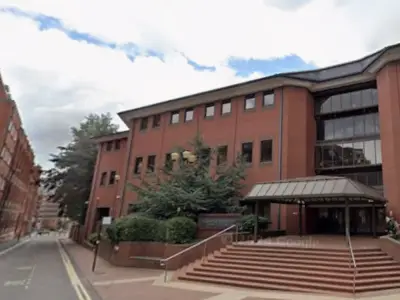
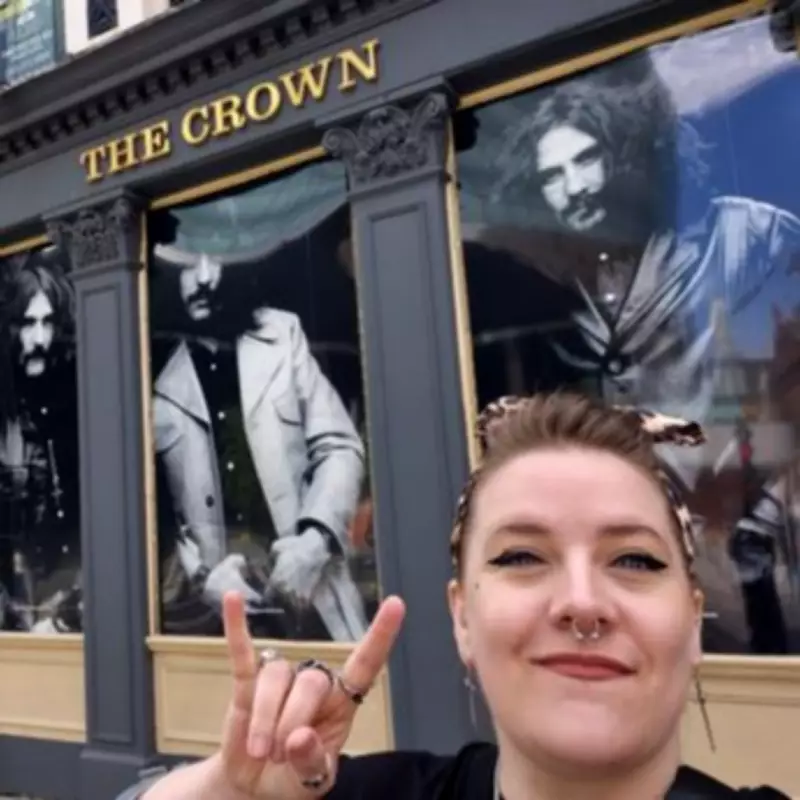
Numerous heritage buildings stand as haunting symbols of neglect. The Crown pub on Station Street remains uncared for, while the Electric Cinema exists in a precarious state. St Paul's Church, a picturesque gem in Birmingham's last Georgian square, faces an uncertain future. The Methodist Central Hall on Corporation Street sits unused, and the Friends Institute—a gift from the Cadbury family to the people of Birmingham—lies in terrible disrepair.
Witnessing this decay evokes profound emotional pain. Imagining these once-thriving spaces now inhabited only by pigeons and insects highlights a profound loss. The dismantling of Birmingham's architectural heritage is a hurt felt citywide.
Buildings as Symbols of Systemic Failure
Truthfully, this issue transcends mere bricks and mortar. It represents systemic failures. The pain resonates when recalling the council's 100% arts funding cuts or slashed adult care budgets. Standing in the Friends Institute hall, where Brummies once played, learned, and celebrated together, dust falling from ceiling holes physically manifests decay that has progressed for decades.
While rubble can be photographed and displayed as evidence of neglect, the true magnitude of what's crumbling remains invisible. Decay occurs in quieter corners: in barely affordable, overcrowded houses where hungry children sleep; in shady backstreets piled with festering black bags; on grass verges littered with empty laughing gas cannisters.
Preserving People Alongside Places
Birmingham's grand old buildings recall an era when the city was the industrial epicenter of the world. They represent what makes Birmingham unique and special. Yet their current state prompts a troubling question: is falling to bits our new identity? We cannot accept this. Once the city of a thousand trades, our historical halls now leak wreckage and fade memories.
Advocating for better preservation of places ultimately seeks to preserve our people. We desire nice places to visit and activities to enjoy, but we also need Brummies to be well, safe, and secure. Must we choose between these priorities?
Leadership Acknowledges Austerity's Impact
Last week, Birmingham City Council leader John Cotton attributed visible decay to 15 years of austerity. He pledged some damage would be repaired. This hope extends beyond restoring crumbling facades to addressing devastation behind closed doors. The repair of Birmingham's heritage must accompany the healing of its communities, ensuring the city's future honors both its architectural legacy and its residents' wellbeing.