It was a year of profound change and enduring memories. Looking back at the West Midlands of 1968 reveals a landscape on the cusp of a modern era, where post-war regeneration met everyday life. From royal visits to new tower blocks, the region was reshaping itself before the camera's lens.
A Region Undergoing Transformation
The architectural face of the West Midlands was being redrawn in 1968. A building 'frenzy' was underway, with the large Chelmsley Wood estate springing up and the redevelopment of Birmingham's Five Ways sweeping aside old Victorian buildings. The city's first multi-storey flats, the Duddeston tower blocks, stood as new landmarks beyond a children's play area on Duddeston Manor Road.
Key institutions marked their place. Halfords operated from its headquarters on Corporation Street, while Ansells Brewery in Aston produced gallons of beer—though industrial dispute once saw half a million pints of Pale Ale poured away. In healthcare, the Sorrento Maternity Hospital served the community from Wake Green Road in Moseley, one of many smaller hospitals at the time.
Moments of Memorial, Sport, and Royalty
July 1968 saw a poignant tribute unveiled: the President Kennedy memorial mosaic, designed by Kenneth Budd, in Kennedy Gardens at St Chad's Circus. It was later moved to Digbeth's Irish Quarter following major road changes.
Sport provided thrilling moments. At Edgbaston Cricket Ground, spectators packed the unreserved seating for the Ashes test between England and Australia. On the football pitch, West Bromwich Albion's Jeff Astle celebrated scoring against Manchester United at the Hawthorns in August. Meanwhile, Tommy Docherty was pictured as Aston Villa's new manager with the board, including Doug Ellis.
Royalty graced the region. Queen Elizabeth II opened the Royal Three Counties Show in Malvern in June, and Prince Philip visited the College of Food and ROSPA in May.
Everyday Life Captured for Posterity
The photos offer an intimate glimpse into daily routines. Mrs Pat Allsop was captured returning from shopping in Bartley Green. Men played dominoes at the Druids Head Inn in Coseley. Children played in courtyards on Ladywood Road, near communal lavatories in yards soon to be demolished.
Culture and commerce thrived. Barbara Windsor opened the Birmingham Evening Mail Ideal Home Exhibition at Bingley Hall. Organist Steven Tovey played the Compton Cinema organ at the New Street Odeon. Shoppers browsed shoes in Clark's, and workers at the Valor factory in Erdington meticulously adjusted legs on radiant oil heaters.
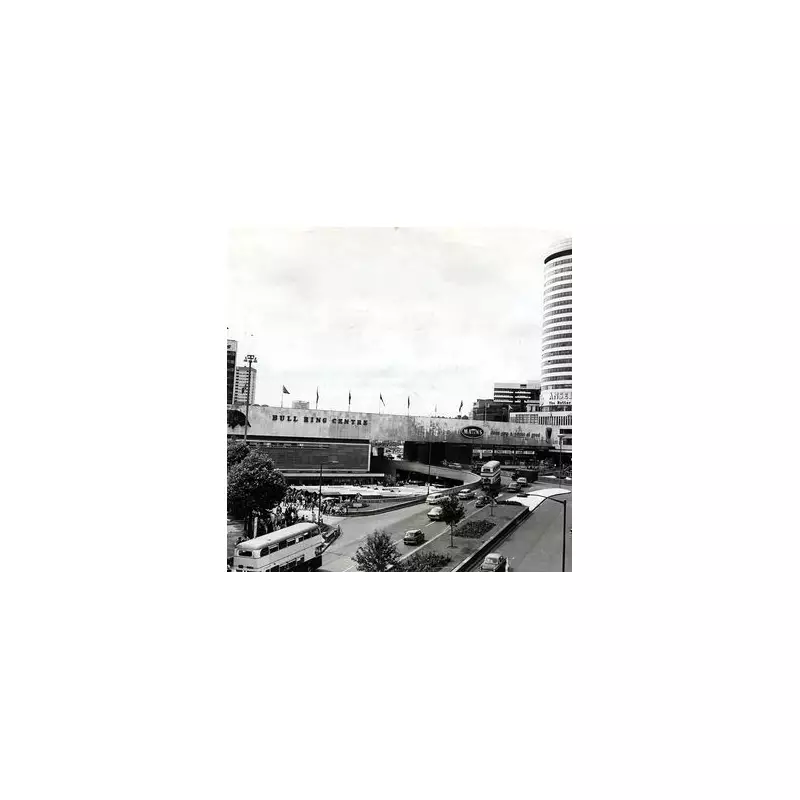
From the historic Galton Bridge in Smethwick to the bustling Bull Ring Shopping Centre, these 30 images form a unique archive. They show a region balancing its industrial heritage with a push towards a new modernity, a snapshot of a community in flux 57 years ago.