The Department for Transport (DfT) has issued a response to growing calls for a new law requiring drivers to report collisions with cats. A petition on the Parliamentary website has amassed over 60,000 signatures, prompting a government reply.
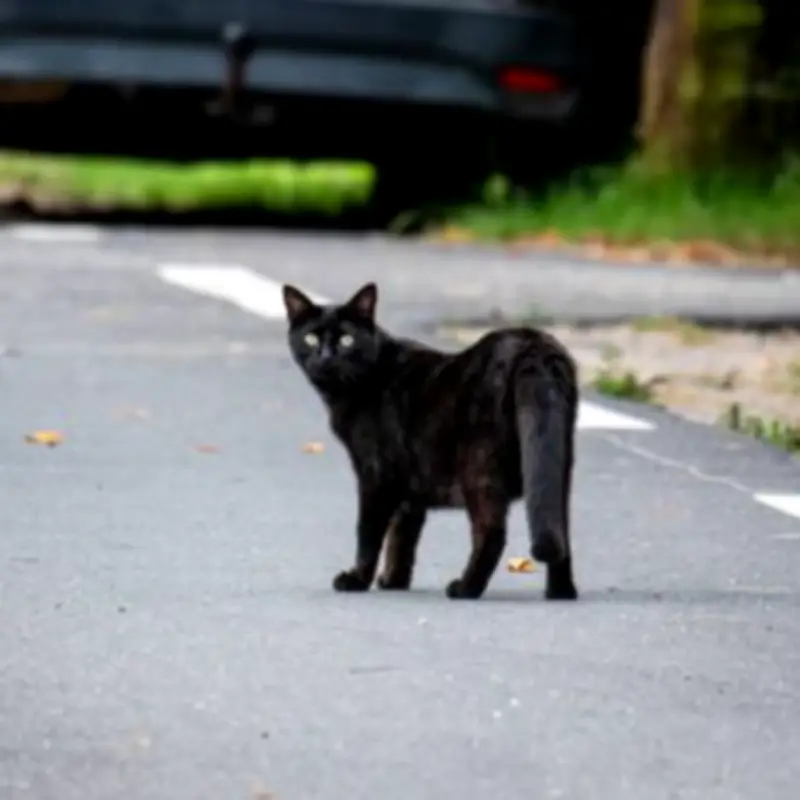
The petition argues: "It is legal in the UK to hit a cat when driving and not need to stop or report collisions, leaving them scared, alone, and in pain. Cats are important, loved, valued family members for many and we believe the law should reflect this." It calls for legislation to require drivers to stop, check, and report any road collisions with cats, holding them accountable if they fail to do so.
If the petition reaches 100,000 signatures, it will be considered for debate in Parliament. However, the DfT stated: "The Government has no current plans to require drivers to report collisions with cats. However, the Road Safety Strategy will improve road safety for all road users, including cats and other animals."
The DfT highlighted that improving road safety is a top priority. On January 7, 2026, a new Road Safety Strategy was published, aiming to reduce the number of people killed or seriously injured on British roads by 65% by 2035. This strategy includes measures to improve road design, protect vulnerable road users, and review motoring offences, supported by a new Road Safety Board chaired by the Minister for Local Transport.
"Road safety is a shared responsibility," the DfT added. "By investing in infrastructure, education, and enforcement, we are taking decisive steps to make our roads safer for everyone, which will in turn reduce the risk to all animals."
Under section 170 of the Road Traffic Act 1988, drivers must stop and report accidents involving specified animals such as horses, cattle, dogs, and sheep, but not cats or wild animals. This is due to their status as working animals. Introducing a similar requirement for cats would need primary legislation.
The DfT noted that cats are smaller and often active at dawn or dusk, meaning drivers may not be aware they have hit them, making prosecution difficult if the law changed. In June 2024, the government introduced compulsory cat microchipping in England for cats over 20 weeks old to help reunite lost pets. The Department for Environment, Food and Rural Affairs (Defra) has also commissioned research to understand challenges in reuniting cats with owners after road collisions, with findings expected later this year.
Defra will work with the pet microchip database industry to improve access to records and data accuracy, supporting the rollout of cat microchipping.