The Department for Work and Pensions (DWP) is reducing Winter Fuel Payments to £150 for two specific groups of pensioners, with the change set to affect those born before 28 September 1946.
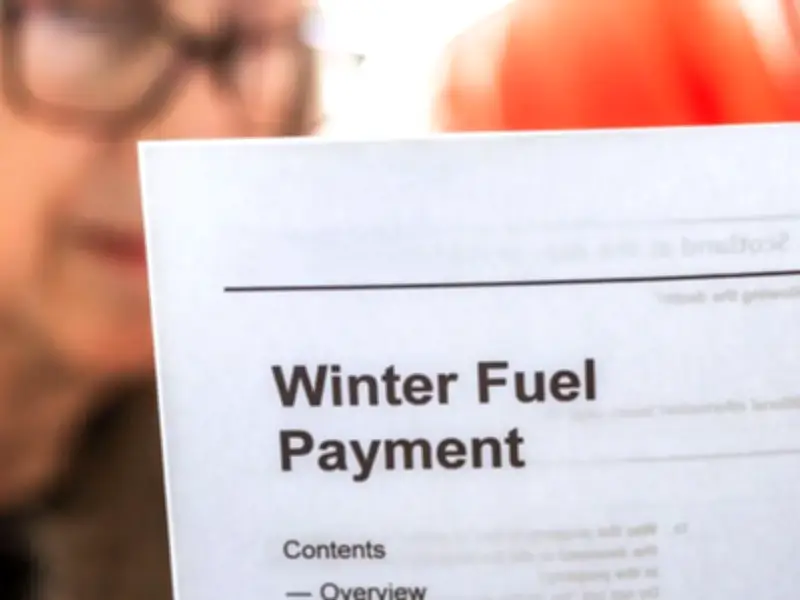
The Winter Fuel Payment is an annual, tax-free government payment designed to help older people with heating costs during the colder months. While the payment can reach up to £300 for pensioners aged 80 and over (born before 1946), not everyone receives that amount, with some eligible individuals now receiving only £150.
Who receives the reduced £150 payment
According to financial experts My Pension Expert, the payment is not means-tested, meaning it is not based on income or savings. Eligibility depends primarily on age and circumstances during a specific qualifying period each year.
The first group affected by the £150 payment includes individuals who live with someone else who is also eligible for the Winter Fuel Payment, provided they do not receive certain benefits. If you do not receive Pension Credit, Universal Credit, or income-related Employment and Support Allowance (ESA), and both you and the person you live with were born before 28 September 1946, you will receive £150.
Care home residents also affected
The second group includes pensioners living in a care home. If you live in a care home and are eligible for the Winter Fuel Payment, you will also receive £150 if you were born before 28 September 1946.
The payment is usually made automatically during the winter months, with most payments issued between November and December each year. For those who have received the payment before, it is typically paid directly into their bank account using the same details as their State Pension or other benefits, although some may receive a cheque instead.
Payment details and what to expect
The Winter Fuel Payment is made once per winter season and does not need to be repaid. As long as your circumstances remain unchanged, you should not need to take any action to receive it.
The reduction to £150 for these two groups reflects the DWP's ongoing adjustments to the payment structure, which continues to provide support to older households amid concerns over energy prices and living costs.