A major political dispute has broken out in Birmingham over controversial plans to introduce parking charges at some of the city's most beloved green spaces.
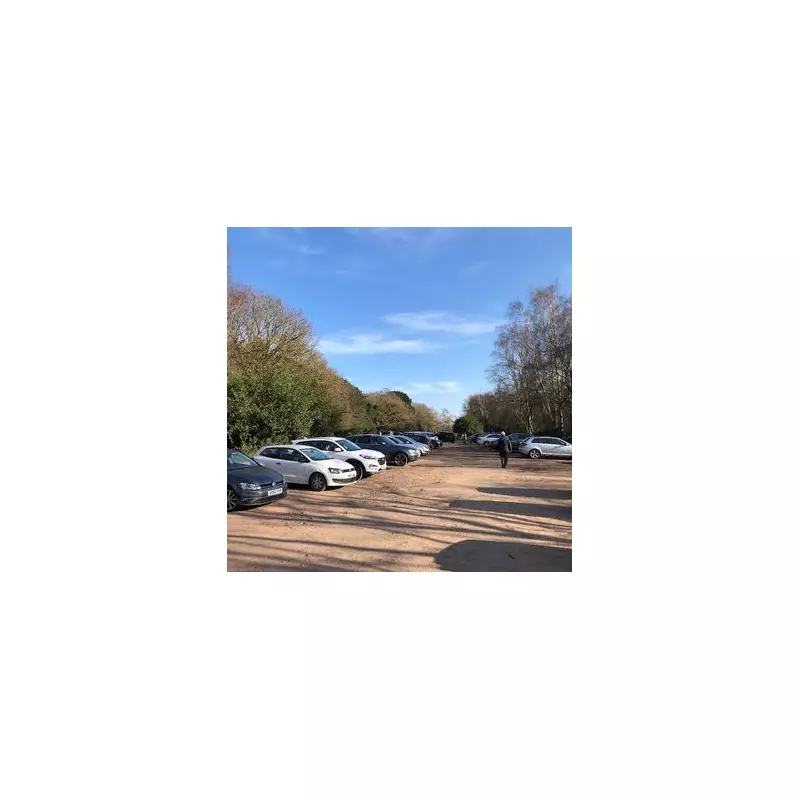
The Labour-run Birmingham City Council is proceeding with proposals to charge motorists to park at Sutton Park in Sutton Coldfield, Sheldon Country Park, and Lickey Hills Country Park. The authority, which is facing severe financial difficulties, states the fees are crucial for generating revenue and maintaining the parks.
A 'Tax on Health' or Vital Revenue?
Opposition councillors, particularly from the Conservative and Liberal Democrat groups, have fiercely criticised the scheme. They have labelled it a "tax on health", arguing it will deter residents from using the parks for exercise and relaxation, undermining community wellbeing.

They contend that free access to nature is a fundamental right and have pledged to scrap the charges if they gain power in the local elections scheduled for May 2026.
The council defends the move, insisting that all income will be ring-fenced directly for the upkeep and enhancement of the parks themselves. Officials warn that without this new funding, the quality and safety of these vital green assets will deteriorate.
Resident Fears: Displacement and the Cost of Living
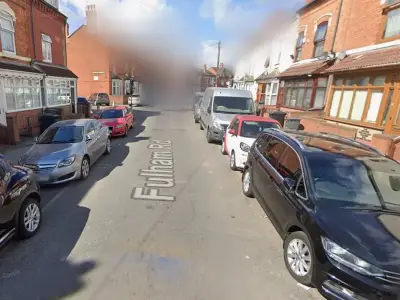
Local residents have raised significant concerns about the practical consequences of the charges. A primary fear is "displacement", where drivers seeking to avoid fees will clog up nearby residential streets.
This could lead to blocked driveways, increased congestion, and potential safety issues in neighbourhoods surrounding the parks.
Furthermore, critics highlight the disproportionate impact on lower-income families during the ongoing cost-of-living crisis. There is a worry that a simple, affordable day out in nature will become unattainable for some, effectively pricing vulnerable citizens out of the city's best natural amenities.
Environmental and Practical Considerations
The debate also touches on environmental and transport issues. Some suggest charges could encourage greener travel, such as cycling or using public transport.
However, opponents counter that many of these park locations are poorly served by buses, making the car a necessary option for families with young children, elderly visitors, or those with mobility issues.
The council plans to implement a tiered pricing structure, though exact costs and time limits are yet to be finalised. While public consultations are expected, many residents remain sceptical, believing the decision has already been made.
This row underscores the difficult balance the council must strike between its legal duty to balance the books and its responsibility to provide accessible public services. The outcome is likely to influence how other city assets are managed in an era of continued austerity.