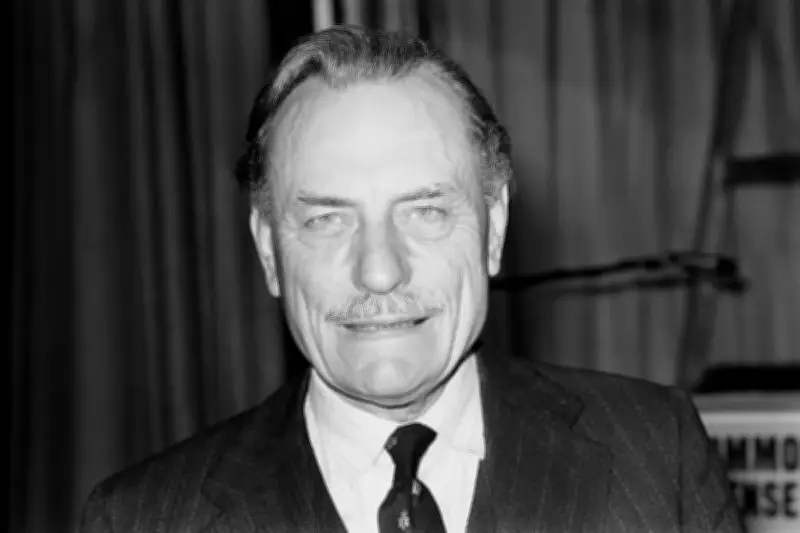
A proposal to erect a commemorative plaque for Enoch Powell in Birmingham has reignited a contentious debate about British identity and how the city remembers its historical figures. The former Conservative MP, known for his infamous 1968 'Rivers of Blood' speech opposing immigration, remains a deeply polarising figure in British politics.
The Call for a Plaque
The suggestion, made by a local historian, argues that Powell's impact on British political discourse warrants formal recognition in his adopted city. Powell represented Wolverhampton South West from 1950 to 1974 and lived in Birmingham for many years. Proponents claim that ignoring his legacy, however controversial, amounts to erasing an important chapter of post-war British history.
According to the historian, "Powell's speeches and ideas shaped the immigration debate for decades. Whether one agrees with him or not, his influence is undeniable. A plaque would not be an endorsement but a recognition of historical significance."

Opposition and Controversy
Critics vehemently oppose the idea, arguing that Powell's rhetoric promoted racial division and hatred. Community leaders in Birmingham, a city celebrated for its multiculturalism, have expressed outrage. One local councillor stated, "Enoch Powell's words caused immense pain and damage to communities. Honouring him in any form would be a betrayal of Birmingham's inclusive values."
The debate has also drawn national attention, with figures from across the political spectrum weighing in. Some argue that plaques should be reserved for individuals who contributed positively to society, while others maintain that historical commemoration must include all significant figures, good or bad.
Broader Questions of British Identity
The controversy touches on deeper questions about what it means to be British in the 21st century. Birmingham, one of the UK's most diverse cities, has seen its population transform over the past 50 years. The city's identity today is shaped by its multicultural fabric, which stands in stark contrast to the vision Powell articulated.
Academics have noted that the debate reflects wider tensions in British society about how to confront a colonial past and ongoing issues of race and immigration. "Powell's legacy forces us to ask uncomfortable questions about who we are as a nation," said a historian from the University of Birmingham. "A plaque could serve as a catalyst for that conversation."
Public Opinion and Next Steps
Public opinion in Birmingham appears divided. A local survey indicated that 45% of residents support some form of historical recognition for Powell, while 40% oppose it, with the remainder undecided. The city council has not yet taken a formal position but has indicated that any decision would involve extensive public consultation.
The proposal has also sparked discussions about other controversial figures and how Birmingham chooses to remember its history. Some have suggested that the city should focus on commemorating individuals who promoted unity and progress, such as civil rights leaders or community activists.
As the debate continues, it underscores the complexity of balancing historical accuracy with contemporary values. Whether or not a plaque is installed, the discussion itself has forced Birmingham—and Britain—to confront its past and define its future identity.