A former contestant from the hit BBC show The Traitors has spoken exclusively about the profound impact of representing her community as a Muslim woman on national television.
Proudly Representing Birmingham and Faith
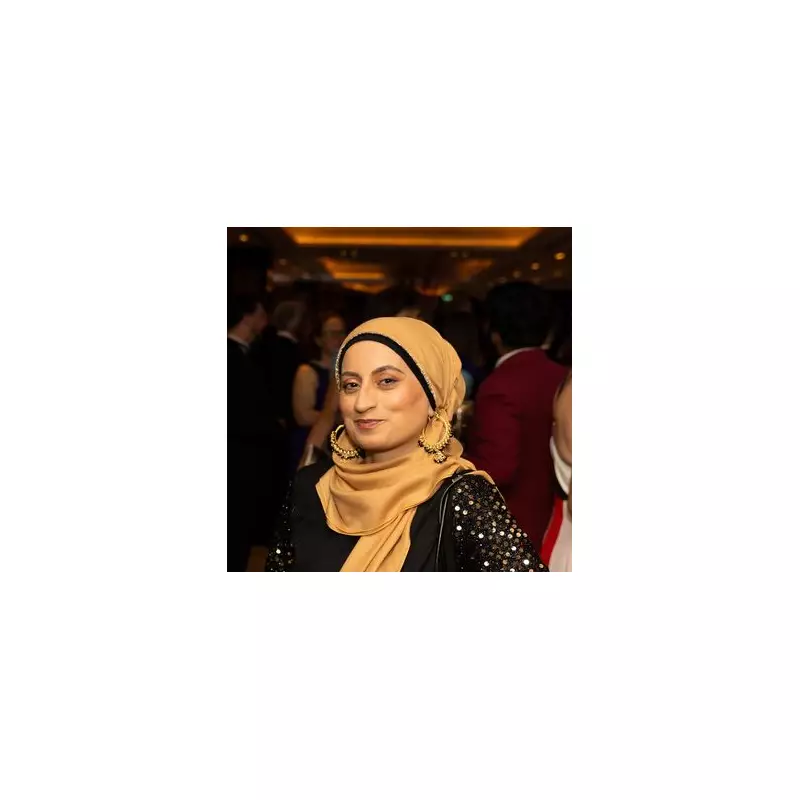
Fozia Fazil, a 51-year-old social value and inclusion manager from Birmingham, took part in the third series of The Traitors, which aired in January 2025. A year on, she has reflected on her unique position as a hijab-wearing, mature Muslim woman in the iconic reality game.
"I'm really proud to be Brummie and to represent Birmingham on the different levels; being Muslim, being a mature female," Fozia stated passionately. She highlighted how these aspects are often seen as barriers but became her strengths on the show.

Shifting Mindsets and Inspiring a Generation
Fozia emphasised her role as a trailblazer, noting that many Muslim viewers tuned into series three specifically because they saw someone like her on screen. "I guess we're the role models for the next generation and saying, look, we can do it, you can do it," she explained.
Drawing parallels with her professional work in construction, she stressed the need for a mindset shift in media and beyond. "We need to shift people's mindsets... It's important to be part of that, to represent, to make that breakthrough so other people can see that... there's definitely room at the table."
A Supportive and Accommodating Production
Fozia shared heartening details about how the BBC production team ensured her comfort and allowed her to fully practise her faith. They accommodated her need for a female crew member to attach her microphone and were acutely aware of her prayer times.
"It got to a point where the team knew what time my prayers were and were like 'Fozia - you've got a bit of time if you want to go off and do your prayer,'" she recalled. This consideration, along with provisions for halal food, allowed for a "more wholesome experience" where she could unapologetically be herself.
Fozia Fazil's journey on The Traitors stands as a significant moment for diversity on British television, proving that authentic representation not only matters but enriches the experience for both participants and millions of viewers.