Unpacking Birmingham's Teen 'Link-Ups': More Than Just Chaos
Viral TikTok videos have captured shocking scenes of chaotic teenage "link-ups" in Birmingham and other UK cities, sparking widespread fascination and concern online. However, behind these viral clips, the trend is far more complex than simple bad behaviour, involving a mix of social media dynamics, funding cuts, and societal shifts.
The Phenomenon of Rapid Mobilisation
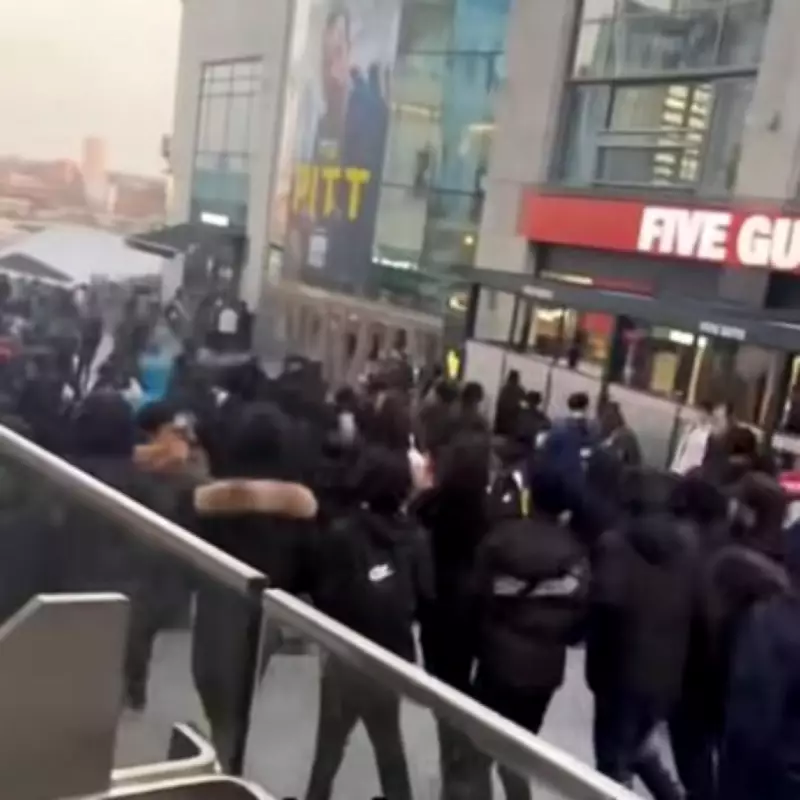
The gatherings involve hundreds of teenagers rapidly mobilised via platforms like Snapchat and TikTok to meet in city centres. Shoppers and parents have grown increasingly alarmed as these scenes become more common, with incidents escalating in frequency and scale.
In March, crowds in and around Birmingham's Bullring prompted some shops to pull their shutters down early as a precaution. Police reported making a "handful" of arrests during that incident to maintain public order.

Similar scenes unfolded again on April 9, with videos circulating online showing teenagers congregating outside Uniqlo near the Bullring's iconic bronze bull. Authorities arrived in greater numbers, anticipating potential trouble, and took proactive measures to manage the situation.
Police Response and Public Reactions
Officers stated they used incapacitant spray to prevent disorder, dispersed twelve individuals, and conducted stop-and-searches on eight others. During these operations, police seized water pistols and investigated reports of an assault, highlighting the thin line between harmless socialising and public safety concerns.
Online reactions have varied widely, ranging from parents expressing confusion and worry about what is happening to teenagers treating attendance as a status symbol, often boasting "I was there" on social media. This "social currency" is identified as a key driver behind participation, amplifying the trend through peer influence and digital validation.
Root Causes: Beyond Simple Misbehaviour
Academics and youth workers argue that such gatherings are not entirely new, but social media has revolutionised their organisation, enabling rapid mobilisation at an unprecedented scale. Additionally, there are fewer safe and accessible places for young people to gather, with youth clubs and community centres facing significant declines in availability.
Major cuts to youth services funding have exacerbated this issue. For instance, a YMCA study found a 76 per cent real-terms fall in funding over fourteen years, with a further ten per cent drop projected for 2024–25. These reductions limit alternatives for teens, pushing them towards public spaces like city centres for social interaction.
Ultimately, link-ups exist in a grey area between harmless socialising and genuine public disorder, with underlying roots in boredom and a lack of constructive outlets. Understanding this complexity is crucial for addressing the phenomenon effectively, rather than dismissing it as mere delinquency.