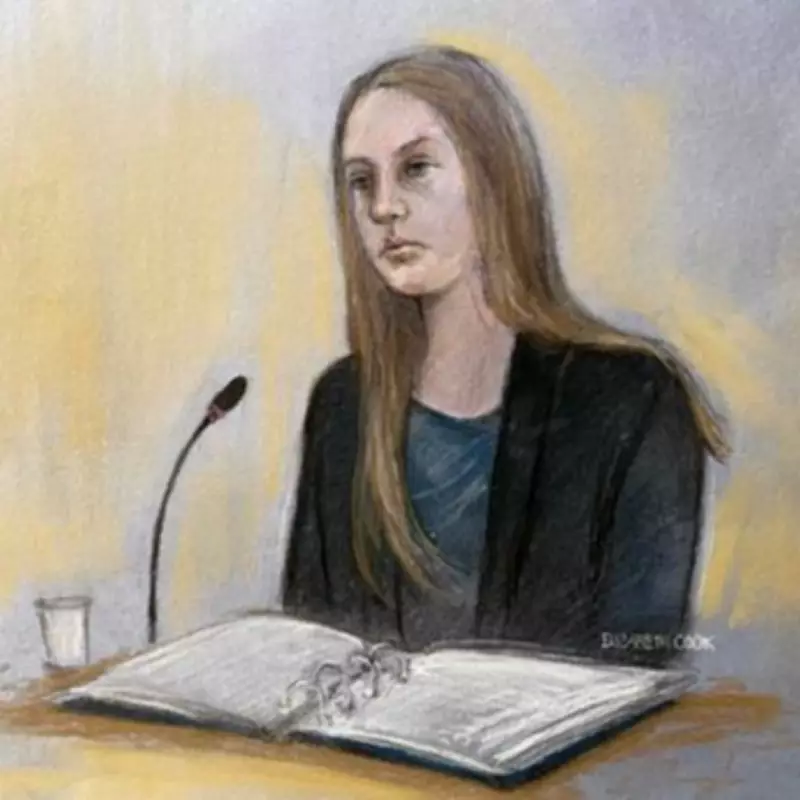
A new documentary on Netflix has unveiled intimate details about Lucy Letby's life behind bars through a personal letter she wrote to a close friend. The former nurse, currently serving a life sentence for the murder of seven infants and the attempted murder of another seven, shares her daily experiences and emotional state in correspondence featured in The Investigation of Lucy Letby documentary.
Letby's Personal Account of Prison Life
In the letter, read aloud by her friend known as Maisie for anonymity, Letby describes the basic comforts and challenges of her incarceration. She writes about having her own room and toilet, the ability to shower daily, and the importance of getting outside for walks, despite the chilly weather. This glimpse into her routine offers a stark contrast to the horrific crimes she was convicted of, highlighting the mundane aspects of prison existence.
Emotional Struggles and Family Connections
Letby expresses deep emotional pain, particularly regarding her pets, Tigger and Smudge, whom she misses dearly. She laments that they cannot understand her absence, calling it heartbreaking, and notes that her parents are caring for them. Her determination to remain strong and positive is evident as she vows not to give up, showcasing a side of her that friends still cling to despite the convictions.

Friend's Reaction and Ongoing Support
Following the reading of the letter, Maisie became emotional on camera, crying as she shared her difficulty in knowing what to say to Letby now. She revealed that while they corresponded regularly before the trial and verdict, she now feels at a loss for words. This moment underscores the complex relationships that persist even in the face of such severe allegations and public scrutiny.
Unwavering Belief in Friendship
Later in the documentary, Maisie speaks about her unwavering belief in Letby, describing her as a friend "currently, in general, forever." She acknowledges the doubt that exists, admitting that one can never fully know another person, but states that without seeing concrete evidence, she cannot believe the accusations. Maisie confronts the public perception that she supports a baby murderer, firmly asserting her loyalty to her friend despite the overwhelming legal outcomes.
The documentary provides a rare insight into the personal aftermath of one of the UK's most shocking criminal cases, blending factual reporting with emotional human stories. It raises questions about friendship, belief, and the psychological impact of high-profile convictions on those connected to the accused.