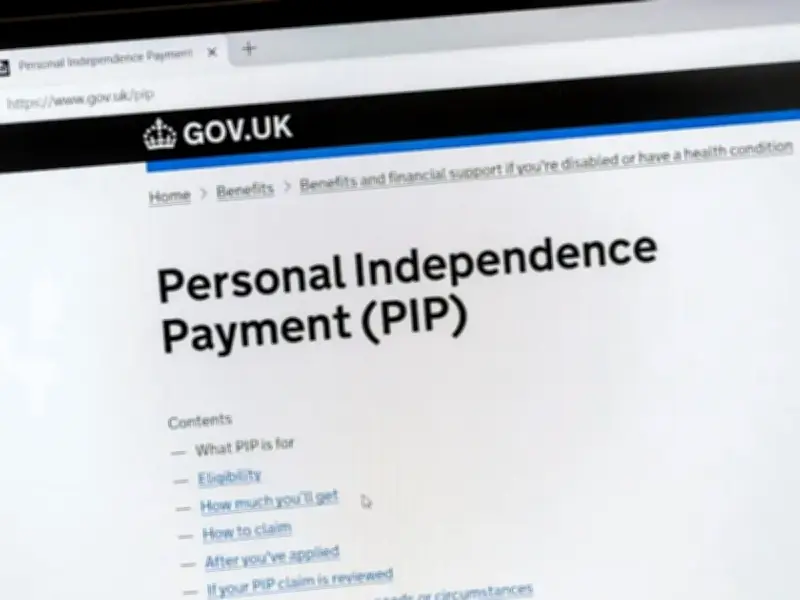
Reform UK has unveiled plans to introduce a "much harsher" assessment system for current Personal Independence Payment (PIP) claimants under state pension age, should the party win the 2029 general election. The proposal, put forward by Robert Jenrick and Nigel Farage's party, would abolish the existing PIP assessment system and the work capability assessment (WCA), replacing them with a new disability needs assessment.
The new assessment would determine three key outcomes: eligibility for the new PIP/Health Security Allowance (PIP/HSA), eligibility for additional disability-related costs through a Disability Support Account (DSA), and the work requirements a claimant would face if they are a Universal Credit (UC) claimant.
Structured medical evidence and eligibility criteria
Under the Reform UK plan, the disability needs assessment would begin with "structured medical evidence" gathered by a GP. According to the party, this evidence would cover "diagnosis, severity, duration, prognosis, treatment history, expected recovery or deterioration, treatment burden, functional impact, mobility, supervision, safeguarding risk and evidenced additional costs."

Reform UK states that those expected to pass the assessment and qualify for the new PIP/HSA payment would include people with terminal illness, severe permanent physical disability, profound learning disability, severe autism with high support needs, severe enduring mental illness, major neurological disease, and serious brain injury. The list also includes individuals highly dependent on support for daily living, those with irreversible or highly unlikely-to-improve conditions, and those with serious, unstable, or deteriorating conditions where prognosis, treatment burden, or safeguarding risk justifies continued cash support.
Targeting mental health and "trivial conditions"
The party has admitted that the new system would target conditions such as ADHD, anxiety, and depression, with Reform saying it will focus on "mental health or trivial conditions." This signals a significant shift in how such claims might be assessed under a Reform-led government.
The proposal also links welfare reform to migration and labour-market policy. Reform UK's plan warns: "The Conservative Party allowed welfare payments to foreign nationals to balloon. Over 1.3 million foreign nationals are now on Universal Credit, up from around 900,000 in 2022." Department for Work and Pensions data shows that the share of Universal Credit paid to foreign nationals was 15.5% in January 2026.
Migration and labour-market context
The party argues that the UK economy has "become increasingly dependent on overseas labour while neglecting domestic skills, productivity and worklessness." According to the plan, between January 2020 and December 2025, the number of non-EU under-25s on UK payrolls rose by 289,000, compared with an increase of just 11,000 among young UK nationals. During the same period, the number of young people outside employment, education, or training rose by almost 200,000.
Reform UK concludes: "Migration, labour-market and welfare reform must therefore be considered together: reducing reliance on imported labour requires stronger incentives to recruit, train and pay British workers, alongside a welfare settlement that prioritises British citizens. Reform will deliver all of these." The proposal would apply only if Reform wins the 2029 general election against the current Labour Party government, and would affect current PIP claimants under state pension age.