Birmingham City Centre Teen Link-Up Causes Evening Chaos
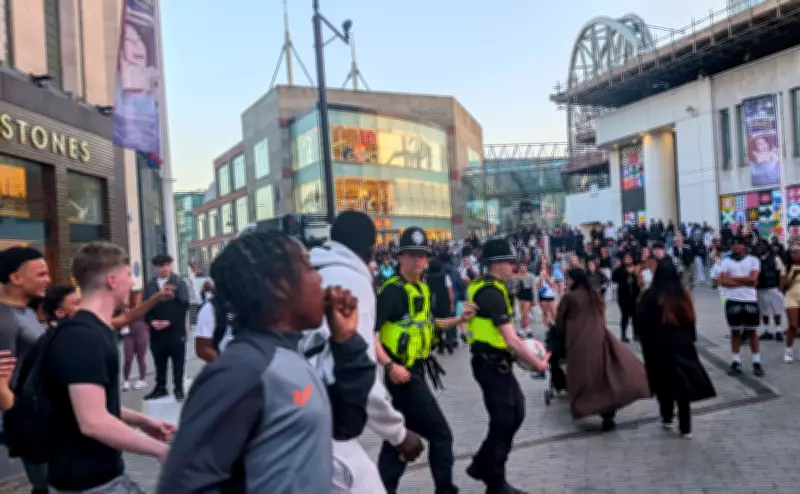
On the evening of 8 April, an unusual assembly began to form in Birmingham's New Street area, initially going unnoticed by many passersby. The scene quickly escalated into a chaotic gathering of hundreds of teenagers, creating a spectacle that disrupted the normal flow of the city centre.
The Sudden Onslaught of Youth
What started as a typical weekday evening transformed into something extraordinary as teenagers began choking the junction where New Street meets High Street and the pathway through the Bullring. Excited clusters of youth giggled and gestured, their heavily gelled heads whipping about as they scanned their surroundings. Many jerked their limbs in synchronized movements, mugging for phone cameras that captured every moment.
The atmosphere filled with tinny bluetooth speakers blasting dancehall tracks from artists like Spice and Vybz Kartel. The city centre took on a greyscale appearance with most participants wearing sportswear or hotpants and bandeau combinations in approved colors of grey, white, or black. The only bright splashes came from tiny handbags and artificial shades dyed or woven into adolescent hair.

The Stampede Toward St Martin's
The situation intensified when a mass of Nike string bags and bucket hats swarmed the area. Children began pounding down the steps toward St Martin's, screaming and whooping with unrestrained energy. Boys in balaclavas leaped from the top stair to the bottom in their haste, while girls held onto their scarves and necklines to prevent slips during their scramble downward.
There was no discernible focal point for their excitement—no celebrity appearance from Central Cee, no visible fight drawing their attention. Yet the energy continued to build, creating a melee that overwhelmed the normal sounds of the city centre.
Understanding the Link-Up Phenomenon
This event represents what has become known as a "link-up"—a new term describing large gatherings of British teenagers that amass in one place, often causing bemusement and chaos. During the Easter break, similar link-ups have been reported in London, Milton Keynes, and Birmingham, resulting in six arrests in London and a handful in Birmingham.
These episodes typically begin with events advertised on social media platforms and conclude with local politicians expressing concern and frustration. The spontaneous nature of these gatherings makes them difficult to predict or manage, raising questions about public safety and urban management.
Eyewitness Perspective and Community Impact
For those unfamiliar with teenage culture or recent urban trends, such gatherings can be particularly disorienting. The sheer size of the weekday evening assembly in an urban city centre raises questions about what constitutes normal behavior for today's youth and how cities should respond to these spontaneous events.
As the teen wave hit, bystanders found themselves caught in the middle of something they didn't understand. Questions about what was happening and why everyone was running went largely unanswered amid the chaos. The event highlighted the gap between different generations' experiences of urban space and the challenges cities face in managing spontaneous public gatherings.
The Birmingham link-up serves as a case study in how social media can rapidly mobilize large groups of young people, creating unexpected situations that test the resources and preparedness of local authorities. As these events continue to occur across the UK, communities must grapple with balancing youth expression with public safety concerns.